Many people wonder if rats breed with their siblings. The answer is yes, rats can and will breed with their siblings. This is a common phenomenon in the wild, where rats live in close proximity to each other and have limited options for mating partners.
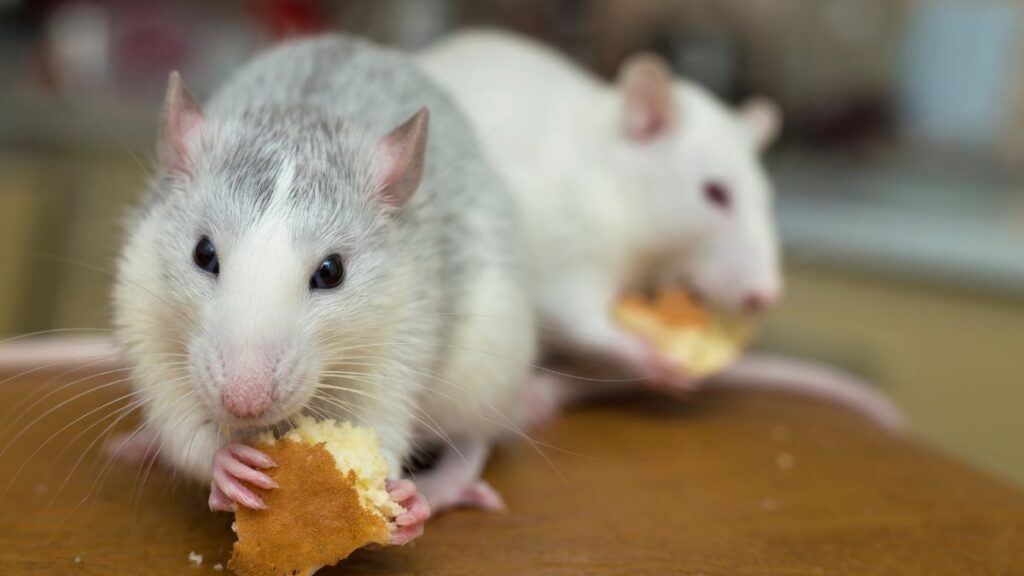
There are several reasons why rats might choose to mate with their siblings. One reason is that it is a way for them to ensure that their genes are passed on to the next generation.
By mating with a sibling, rats can be sure that their offspring will carry some of the same genetic traits and characteristics.
However, breeding with siblings can also have negative consequences. Inbreeding can lead to a higher risk of genetic disorders and health problems in offspring.
It can also result in a decrease in genetic diversity, which can make a population more vulnerable to disease and environmental changes.
Rat Breeding Behavior
Rats are social animals that tend to live in groups. In the wild, rats will breed with multiple partners, and incestuous breeding is not uncommon. For domestic rats and others in captivity, it is important to avoid breeding rats that are closely related, such as siblings or parent-offspring pairs.
When rats are kept in close proximity, such as in a breeding colony, monitor their behavior and separate any rats that show signs of aggression or dominance. Breeding pairs should be chosen carefully to ensure genetic diversity and to avoid breeding rats that are closely related.
Rats typically reach sexual maturity at around 5-6 weeks of age, and females can become pregnant as early as 12 weeks of age. The gestation period for rats is approximately 21-23 days, and litters can range in size from 6 to 12 pups.
Keep your rats provided with a suitable environment for breeding, including a nesting box and plenty of bedding material. Rats should also be provided with a balanced diet to ensure that they are healthy and able to produce healthy offspring.
Overall, while rats are capable of breeding with siblings and other closely related rats, it is best to avoid this practice in captivity to ensure genetic diversity and the health of the breeding colony.
Inbreeding in Rats
Inbreeding is the practice of mating closely related individuals. In rats, this can occur when siblings or other close relatives are bred together.
While inbreeding can sometimes lead to desirable traits, such as increased uniformity in appearance or behavior, it also carries significant risks.
One of the main concerns with inbreeding in rats is the increased likelihood of genetic defects.
When closely related individuals mate, there is a higher chance that they will both carry the same recessive genes for certain traits. If these genes are expressed in their offspring, it can lead to health problems or other issues.
Inbreeding can also lead to reduced fertility and lower overall fitness in rats. This is because genetic diversity is crucial for healthy populations, and inbreeding can reduce the gene pool and limit the ability of rats to adapt to changing environments.
While inbreeding is sometimes practiced in the laboratory setting for research purposes, it is generally not recommended for pet or breeding rats.
Responsible breeders will typically avoid inbreeding and instead focus on maintaining genetic diversity and selecting for desirable traits through careful breeding practices.
Effects of Inbreeding on Rat Offspring
When rats breed with their siblings, it is considered inbreeding. Inbreeding can have negative effects on the offspring, as it increases the likelihood of inheriting harmful genetic traits. Here are some potential effects of inbreeding on rat offspring:
Reduced Fertility
Inbred rats may have reduced fertility, meaning they have a harder time reproducing. This can lead to smaller litter sizes and difficulty in breeding the rats.
Increased Risk of Genetic Disorders
Inbreeding can increase the likelihood of offspring inheriting harmful genetic traits, such as deformities or diseases. These disorders can be passed down from generation to generation and can severely impact the health of the rats.
Decreased Immune System
Inbred rats may have a weaker immune system, making them more susceptible to infections and illnesses. This can lead to higher mortality rates and shorter lifespans.
Lower Birth Weight
Inbred rats may have lower birth weights, which can increase the likelihood of health problems and mortality rates.
It is important to note that not all offspring of inbred rats will experience these negative effects. But, the risk of these effects increases with each generation of inbreeding.
Therefore, it is recommended to avoid breeding rats with their siblings to prevent potential harm to the offspring.
Preventing Inbreeding in Rat Breeding
When breeding rats, it is essential to prevent inbreeding to maintain genetic diversity and avoid the negative consequences of inbreeding depression.
Inbreeding occurs when closely related rats mate and produce offspring that have a higher likelihood of inheriting harmful recessive genes.
To prevent inbreeding, breeders should keep detailed records of their rats’ lineage and avoid mating siblings or parent-offspring pairs. Breeders can also introduce new rats into their breeding program to diversify the gene pool.
Another way to prevent inbreeding is to practice rotational breeding, where rats are bred with unrelated partners in a systematic manner.
This can be done by keeping track of each rat’s breeding history and ensuring that they are not paired with a closely related rat.
Unfortunately, preventing inbreeding does not guarantee that all offspring will be healthy or free from genetic disorders. Breeders should still monitor their rats closely for any signs of illness or genetic abnormalities and seek veterinary care if necessary.


