Liver failure in rats can be a serious health issue that requires prompt medical attention. The liver is a vital organ that performs many important functions, including filtering toxins from the blood and producing bile to aid in digestion.
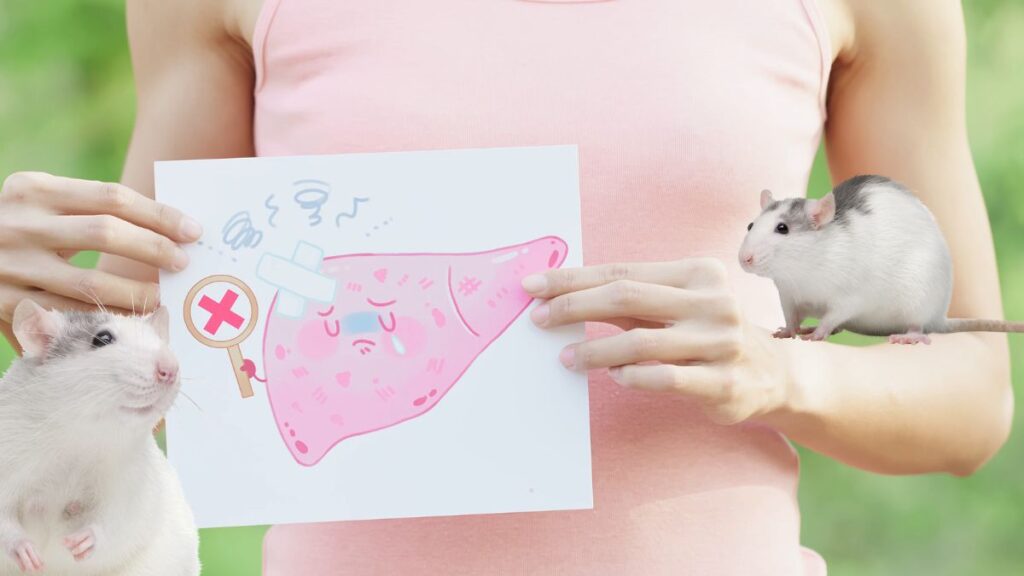
When the liver is damaged and unable to function properly, it can lead to a range of symptoms that can affect the rat’s overall health and well-being.
One of the most common symptoms of liver failure in rats is jaundice, which is a yellowing of the skin and eyes. This occurs when the liver is unable to process bilirubin, a byproduct of red blood cell breakdown.
Other symptoms may include lethargy, loss of appetite, weight loss, and changes in behavior or personality. If you spot any of these symptoms in your rat, it is important to seek veterinary care right away to determine the underlying cause and begin appropriate treatment.
Understanding Liver Failure in Rats
Liver failure in rats is a serious condition that can lead to a range of symptoms and complications. Understanding the signs and symptoms of liver failure in rats is essential for identifying the condition early and seeking prompt medical attention.
Liver failure in rats can be caused by a range of factors, including toxins, infections, and genetic factors. Some of the most common symptoms of liver failure in rats include:
- Loss of appetite
- Weight loss
- Lethargy and weakness
- Yellowing of the skin and eyes (jaundice)
- Dark urine
- Increased thirst and urination
- Diarrhea or constipation
- Vomiting
- Bleeding or bruising easily
If you notice any of these symptoms in your rat, take them to a vet as soon as you can. Your vet can perform a range of tests to diagnose liver failure in rats, including blood tests, ultrasounds, and biopsies.
Treatment for liver failure in rats will depend on the underlying cause of the condition. In some cases, supportive care such as fluids and medications may be enough to manage symptoms and improve your rat’s quality of life. In more severe cases, surgery or other interventions may be necessary.
In conclusion, liver failure in rats is a serious condition that requires prompt attention and care. By understanding the signs and symptoms of this condition, you can help ensure that your rat receives the treatment they need to recover and thrive.
Recognizing the Symptoms of Liver Failure in Rats
Liver failure is a serious condition that can affect rats of any age. It’s important to be able to recognize the symptoms of liver failure in rats, so you can seek veterinary care as soon as possible. Here are some physical, behavioral, and digestive changes to look out for:
Physical Changes
One of the most common physical changes associated with liver failure in rats is jaundice. Jaundice is a yellowing of the skin and eyes that occurs when there is an excess of bilirubin in the blood. Other physical changes may include:
- Swollen abdomen
- Weight loss
- Dehydration
- Weakness or lethargy
- Behavioral Changes
Rats with liver failure may exhibit changes in behavior. They may become less active and show less interest in their surroundings. They may also appear depressed or anxious. Other behavioral changes may include:
- Agitation or restlessness
- Confusion or disorientation
- Seizures or tremors
- Digestive Issues
Liver failure can also cause digestive problems in rats. They may experience vomiting, diarrhea, or constipation. They may also lose their appetite or show signs of nausea. Other digestive issues may include:
- Abdominal pain or discomfort
- Excessive thirst or urination
- Bad breath or body odor
It really is so important that you seek veterinary care if you notice any of these symptoms in your rat. Early diagnosis and treatment can significantly improve your rat’s chances of recovery.
Causes of Liver Failure in Rats
Liver failure in rats can be caused by a variety of factors. Some of the most common causes include:
Toxicity
Exposure to toxic substances such as pesticides, heavy metals, and industrial chemicals can cause liver damage and lead to liver failure in rats.
Infections
Certain viral and bacterial infections can cause liver damage and lead to liver failure in rats. These include hepatitis, leptospirosis, and salmonellosis.
Genetic Factors
Some rats may be genetically predisposed to liver failure due to inherited conditions such as copper storage disease.
Dietary Factors
A poor diet that is deficient in essential nutrients can also lead to liver damage and failure in rats.
Medications
Certain medications, such as antibiotics and non-steroidal anti-inflammatory drugs (NSAIDs), can cause liver damage and lead to liver failure in rats.
It is to keep in mind that liver failure in rats can be a serious condition that requires prompt veterinary attention. If you suspect that your rat may be suffering from liver failure, then seek veterinary care as soon as possible.
Diagnosis of Liver Failure
Diagnosing liver failure in rats can be challenging as symptoms may not appear until the disease has progressed. Your veterinarian will conduct a physical examination of your rat and may recommend additional tests to confirm a diagnosis of liver failure.
Blood Tests
Blood tests can help diagnose liver failure in rats. Your veterinarian will check for elevated levels of liver enzymes such as alanine aminotransferase (ALT) and aspartate aminotransferase (AST). Elevated levels of bilirubin in the blood may also indicate liver damage.
Imaging Tests
Imaging tests such as ultrasound or X-ray can help your veterinarian evaluate the size and shape of your rat’s liver. These tests can also detect any abnormalities such as tumors or cysts.
Biopsy
In some cases, your veterinarian may recommend a liver biopsy to confirm a diagnosis of liver failure. During a biopsy, a small piece of liver tissue is removed and examined under a microscope to check for any signs of damage or disease.
Treatment Options for Liver Failure in Rats
If your rat is diagnosed with liver failure, your veterinarian will recommend a treatment plan based on the severity of the condition.
The main goal of treatment is to manage symptoms, prevent further damage to the liver, and improve overall health. Here are some treatment options that your vet may suggest:
Medications
Your vet may prescribe medications to manage symptoms such as vomiting, diarrhea, and seizures. They may also prescribe antibiotics to prevent infections.
Dietary Changes
Your vet may recommend a special diet for your rat that is easy to digest and low in protein. Your rat may also need to avoid certain foods that can further damage the liver.
Fluid Therapy
If your rat is dehydrated or has electrolyte imbalances, your vet may recommend fluid therapy. This can help improve hydration and restore electrolyte balance.
Supplements
Your vet may recommend supplements such as vitamin K and B-complex vitamins to support liver function.
Surgery
In severe cases, surgery may be necessary to remove damaged parts of the liver or to transplant a healthy liver from a donor rat.
Always follow your vet’s treatment plan carefully and to monitor your rat’s progress closely. With proper treatment and care, many rats with liver failure can experience an improved quality of life.
Preventive Measures
To prevent liver failure in your rats, you should take the following measures:
Provide a Balanced Diet
A balanced diet is essential for maintaining the health of your rat’s liver. Ensure that your rat’s diet contains all the necessary nutrients, including proteins, carbohydrates, fats, vitamins, and minerals.
Avoid feeding your rat with high-fat or high-sugar foods as they can lead to obesity and fatty liver disease, which can cause liver failure.
Clean Living Environment
A clean living environment is crucial for preventing liver failure in rats. Regularly clean your rat’s cage and bedding to prevent the build-up of harmful bacteria and toxins. Avoid using harsh chemicals when cleaning as they can be toxic to rats.
Regular Exercise
Regular exercise is essential for maintaining the health of your rat’s liver. Provide your rat with plenty of opportunities to exercise by providing them with toys, tunnels, and climbing structures.
Regular Vet Check-ups
Regular vet check-ups are essential for preventing liver failure in rats. Your vet can perform routine blood tests to monitor your rat’s liver function and detect any early signs of liver disease.
Avoid Toxic Substances
Avoid exposing your rat to toxic substances such as pesticides, herbicides, and cleaning chemicals. These substances can be harmful to your rat’s liver and can cause liver failure.
By following these preventive measures, you can help maintain the health of your rat’s liver and prevent liver failure.
In conclusion, liver failure in rats can be a serious condition with potentially fatal consequences. Be aware of the symptoms, and seek veterinary care as soon as possible if you suspect your rat may be experiencing liver failure.
Some of the most common symptoms of liver failure in rats include weight loss, lethargy, loss of appetite, and jaundice. These symptoms may be accompanied by other signs such as dark urine, pale stools, and abdominal swelling.
While there is no cure for liver failure in rats, early detection and treatment can help to slow the progression of the disease and improve your rat’s quality of life. Treatment options may include dietary changes, medication, and supportive care such as fluid therapy.
Keep in mind that liver failure in rats can be caused by a variety of factors, including genetics, environmental factors, and underlying health conditions. Therefore, it is important to work closely with your veterinarian to determine the underlying cause of your rat’s liver failure and develop an appropriate treatment plan.
By being vigilant about your rat’s health and seeking prompt veterinary care when necessary, you can help to ensure that your rat receives the best possible care and has the best chance of recovering from liver failure.
-
 Hooded Rat T-Shirt$23.34
 -
All That Matters is My Rat and Maybe Two People T-Shirt$25.67
-
Yes I Do Really Need All These Rats T-Shirt$25.99
-
I Kissed a Rat and I Liked it T-Shirt$25.99
-
I’ll Trade My Sister for a Rat T-Shirt$32.99
-
Sorry, I Can’t; I Have Plans With My Rat T-Shirt$25.99
-
My Rat and I Talk S%$! About You T-Shirt$25.99
-
Product on saleAdorable White Rat Tank TopOriginal price was: $29.03.$23.22Current price is: $23.22.
-
Product on saleI’m a Rat Person T-ShirtOriginal price was: $23.34.$18.67Current price is: $18.67.


