Rats are social animals that display a wide range of behaviors, including aggression, play, and submission. Understanding the signs of submission in rats is important for researchers who study rat behavior, as well as for pet owners who want to ensure that their rats are happy and healthy.
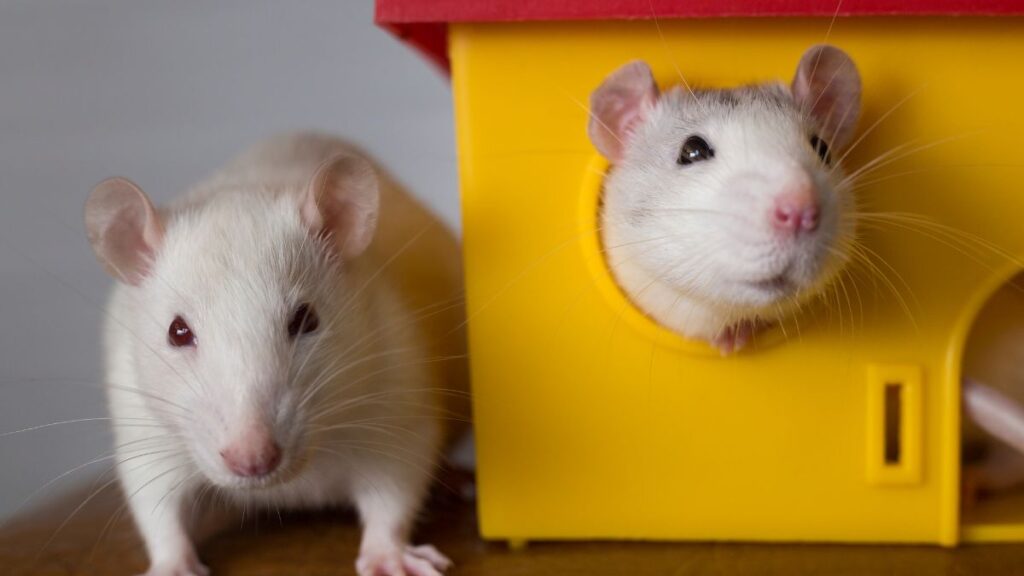
One of the most common signs of submission in rats is the display of a “submissive posture.” This posture involves the rat crouching down on its front legs, with its head and tail lowered. The rat may also flatten its ears against its head and avoid eye contact with other rats or humans.
Another sign of submission in rats is the display of “appeasement behaviors.” These behaviors are meant to appease or calm down other rats that may be displaying aggressive or dominant behavior. Appeasement behaviors can include grooming, licking, and even offering food to other rats.
Physical Signs of Submission in Rats
Rats are social animals and use a variety of behaviors to communicate with each other. One of the most important behaviors in rat social interactions is submission. Submission is a way for a rat to show deference to another rat and avoid conflict. Here are some physical signs of submission in rats:
Lowered Body Posture
A submissive rat will lower its body posture, making itself appear smaller and less threatening.
Head Tilting
A submissive rat may tilt its head to the side, exposing its neck and throat to the dominant rat.
Avoiding Eye Contact
A submissive rat will avoid direct eye contact with a dominant rat, as eye contact can be seen as a challenge or threat.
Flattened Ears
A submissive rat may flatten its ears against its head, making itself appear less aggressive.
Tail Tucking
A submissive rat may tuck its tail between its legs or curl it around its body.
These physical signs of submission are not always present in every social interaction between rats. The context of the interaction, the individual rats involved, and other factors can all influence rat behavior. Additionally, these physical signs of submission are not unique to rats and may be present in other social animals as well.
Despite these limitations, understanding the physical signs of submission in rats can be helpful for rat owners and researchers alike. By recognizing when a rat is submitting to another rat, we can better understand their social dynamics and provide appropriate care for our pet rats.
Behavioral Signs of Submission in Rats
Rats are social animals that live in groups and establish a hierarchy based on dominance and submission. Understanding the behavioral signs of submission in rats is essential for maintaining a healthy and harmonious group dynamic. Here are some common behavioral signs of submission in rats:
Passive Posture
Submissive rats often assume a passive posture by lying on their back or side, exposing their vulnerable belly and throat to dominant rats.
Retreating
Submissive rats may retreat and move away from dominant rats when approached or challenged.
Decreased Activity
Submissive rats may exhibit decreased activity levels, such as reduced grooming or exploration, in the presence of dominant rats.
Non-Aggressive Behavior
Submissive rats typically avoid aggressive behavior, such as fighting or biting, and may instead exhibit appeasement behaviors like grooming or following the dominant rat.
Submissive behavior in rats can also be influenced by other factors, such as age, sex, and prior social experiences. Additionally, some rats may exhibit a mix of dominant and submissive behaviors depending on the situation and the rats they are interacting with.
Overall, understanding the behavioral signs of submission in rats is crucial for maintaining a healthy and harmonious group dynamic. By recognizing and responding appropriately to these behaviors, rat owners can help ensure the well-being of their furry companions.
Factors that Influence Submission in Rats
Submission is a natural behavior in rats that is often observed in social interactions. There are several factors that can influence the level of submission in rats, including:
Age
Younger rats tend to be more submissive than older rats. This may be because younger rats are still learning the social hierarchy and are more likely to defer to older rats.
Sex
Male rats tend to be more dominant than female rats, which can lead to differences in submission levels between the two sexes.
Genetics
Some rat strains may be more submissive or dominant than others due to genetic factors.
Environment
The social and physical environment can play a significant role in the level of submission observed in rats. For example, rats housed in crowded or stressful conditions may exhibit more submissive behavior.
Experience
Rats that have had previous experience with dominant or aggressive rats may be more likely to exhibit submissive behavior in future interactions.
Submission in rats is a complex behavior that is influenced by a variety of factors. Understanding these factors can help researchers design experiments that accurately measure the level of submission in rats and improve our understanding of social behavior in these animals.
While there are several behaviors that indicate submission in rats, it’s important to note that each rat is unique and may display these behaviors differently. Additionally, some behaviors may be influenced by factors such as age, sex, and past experiences.
By observing a rat’s body language, vocalizations, and interactions with other rats, we can gain insight into their social hierarchy and emotional state. Some key signs of submission include crouching, avoiding eye contact, and allowing other rats to groom them.
It’s also important to note that aggressive behavior in rats can be a sign of fear or insecurity, rather than dominance. By providing rats with a safe and comfortable environment, we can help reduce stress and promote healthy social interactions.
Overall, understanding the signs of submission in rats requires patience and careful observation. By taking the time to learn about these behaviors, we can better understand and care for our rodent companions.


