If you’re a rat owner, you know how important it is to provide a comfortable and clean living environment for your furry friend. One of the most important decisions you’ll make as a rat owner is where to place your rat’s cage. The location of the cage can have a significant impact on your rat’s health, happiness, and well-being.
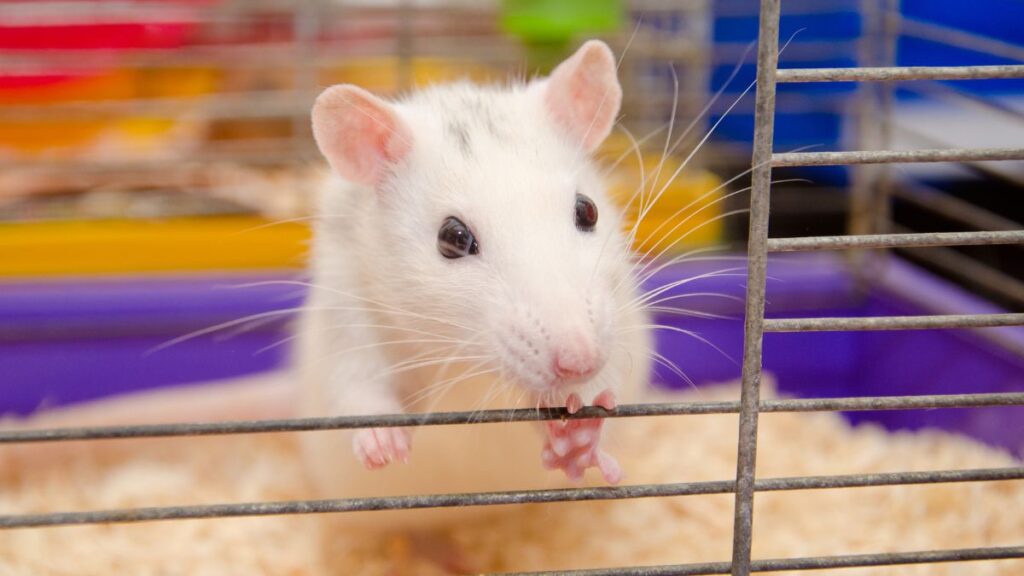
When choosing a location for your rat’s cage, there are several factors to consider. First and foremost, you want to make sure the cage is in a sage and secure location where your rat cannot escape or be harmed by other pets or children. You also want to choose a location that is quiet and free from excessive noise and acitivity, as rats are sensitive to loud noises and can become stressed or anxious in noisy environments.
Another important factor to consider when choosing a location for your rat’s cage is the temperature and humidity of the room. Rats are sensitive to extreme temperatures and can become ill or even die if exposed to temperatures that are too hot or too cold. Additionally, rats thrive in environments with moderate humidity levels so it’s important to choose a location that is not too dry or too humid
Considerations for Placement
When it comes to placing your rat’s cage, there are several factors to consider. Vet Kamila Gallardo MRCVS, recommends keeping these things in mind:
- Temperature: Rats are sensitive to temperature and should be kept in a room that is between 65-75 F/C. Avoid placing their cage in direct sunlight or near drafty window.
- Noise: Rats have sensitive hearing and can be easily startled by loud noises. Avoid placing their cage near a TV, stereo, or other noisy appliances.
- Light: Rats are nocturnal animals and can be easily startled by loud noises. Avoid placing their cage in direct sunlight or a brightly lit room.
- Space: Rats need plenty of space to move around and play. Make sure their cage is large enough to accommodate their size and provide ample room for toys and accessories.
In addition to these factors, it’s also important to consider the location of their cage in relation to other pets or children in the household. Rats can be easily stressed by the presence of other animals, so it’s best to keep their cage in a separate room away from dogs or cats.
Overall, finding the right location for your rat’s cage is cruicial for their health and well-being. By considering these factors, yo ucan create a comfortable and safe environment for your furry friend.
Ideal Locations
When it comes to placing your rat’s cage, there are a few key factors to consider. The ideal location will depend on your living situation, the size of your cage, and your rat’s individual needs. Some ideal locations for your rat’s cage might include:
Living room
- Pros: Good for socialization, easy to monitor.
- Cons: Noisy, may not be a consistent temperature.
Bedroom
- Pros: Quiet, consistent temperature and lighting.
- Cons: May be too dark during the day, may disturb your sleep.
Home Office
- Pros: Quiet, consistent temperature and lighting, easy to monitor.
- Cons: May be too bright during the day, may be distracting during work.
Ultimately, the ideal location for your rat’s cage will depend on your individual living situation and your rat’s needs. Take the time to consider all of the factors before choosing a spot for your furry friend.
Locations to Avoid
When deciding where to place your rat’s cage, there are certain locations that should be avoided. In my experience, pet rats are much happier and healthier when these places are avoided:
Direct Sunlight
Rats are sensitive to heat and direct sunlight can quickly overheat their cage. It’s best to place their cage in a shaded area or a room that doesn’t receive direct sunlight.
Drafty Areas
Rats are also sensitive to cold drafts. Avoid placing their cage near windows or doors that are frequently opened.
Noisy Locations
Rats are sensitive to noise and can become stressed in loud environments. Avoid placing their cage near TVs, speakers, or other noisy appliances.
High Traffic Areas
Rats are social animals, but they also need their privacy. Avoid placing their cage in high traffic areas like hallways or near the front door.
Humid Areas
Rats are susceptible to respiratory infections and high humidity can exacerbate this. Avoid placing their cage in humid areas like bathrooms or laundry rooms.
By avoiding these locations, you can create a comfortable and safe environment for your rat. Remember to also consider the size of the cage and the amount of space your rat needs to move around and play.
Deciding where to place your rat’s cage is an important decision that can affect the health and happiness of your pet. By considering factors such as temperature, lighting, noise, and proximity to other pets, you can create a comfortable and safe living space for your rat.
Remember to keep the cage away from direct sunlight and drafts, and to provide a consistent temperature between 65-75 degrees Fahrenheit. Additionally, ensure that the cage is located in a quiet area of your home, away from loud noises and other pets that may cause stress to your rat.
It is also important to consider the size and type of cage you choose for your rat. A larger cage with plenty of space for exercise and play can promote physical and mental health, while a smaller cage may cause stress and boredom.
Overall, taking the time to carefully consider the placement of your rat’s cage can lead to a happy and healthy pet. By providing a comfortable and secure living space, you can ensure that your rat is able to thrive and enjoy a long and fulfilling life.


