Harley Rats are the FLUFFIEST OF ALL RATS! They’re a unique breed of rats that are known for their distinct appearance and behavior. These rats are often kept as pets and have become increasingly popular in recent years.
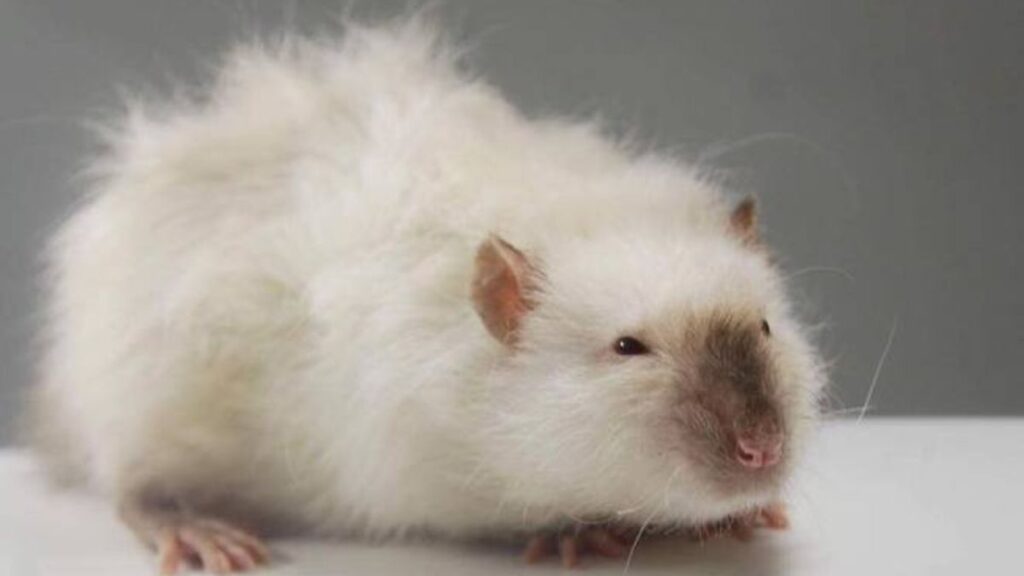
In this article, we will explore some interesting facts about Harley Rats that you may not have known before.
Harley Rats, also known as Harley Quinn Rats, are named after the famous comic book character Harley Quinn.
These rats have a unique coat pattern that resembles the black and red diamonds that Harley Quinn is known for wearing. The pattern is caused by a gene mutation that affects the distribution of pigments in the rat’s fur.
Aside from their distinctive appearance, Harley Rats are also known for their friendly and social personalities.
They are highly intelligent and can be trained to perform tricks and even use a litter box. These gorgeous rats are also very active and require plenty of exercise and mental stimulation to keep them happy and healthy.
Appearance
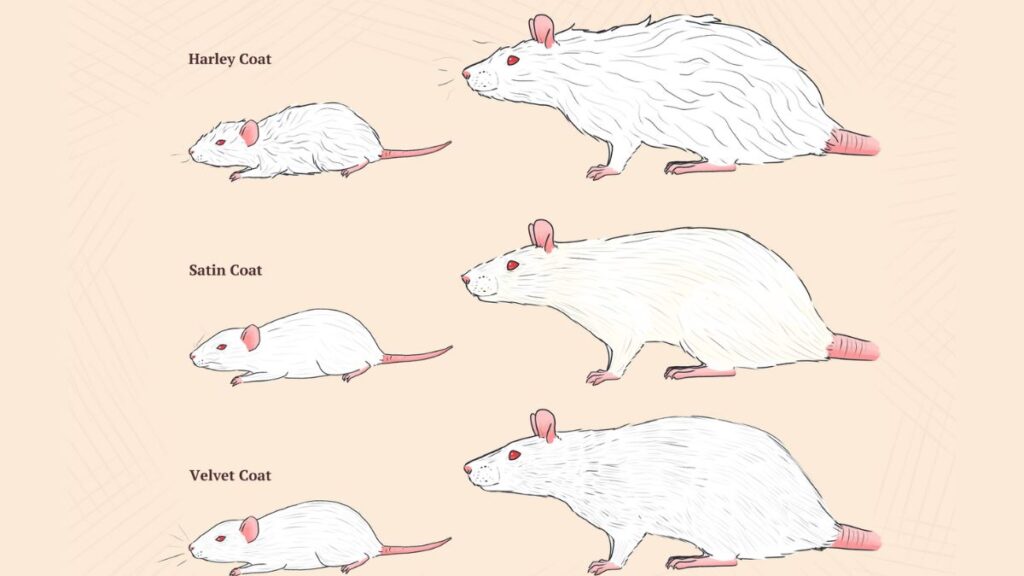
Harley Rats are a unique breed of rat with distinct physical features that set them apart from other rat breeds. Here are some of the key characteristics of Harley Rats:
Size
Harley Rats are medium-sized rats, typically weighing between 250-400 grams and measuring around 12-14 inches in length (including their tail).
Fur
They have short, smooth fur that can come in a variety of colors, including black, white, brown, and gray.
Ears
Harley Rats have large, round ears that are set high on their heads. They’re not as large and round as dumbo ears, and they’re slightly pointier.
Eyes
They have large, bright, and expressive eyes that are typically black or dark brown in color.
Tail
Harley Rats have long, thin tails that are usually longer than their bodies. The tail is hairless and scaly, and serves as a balance for the rat.
One of the most distinctive features of the Harley Rat is its coat coloration. Harley Rats can have a variety of coat colors and patterns, including solid colors, spotted, and striped patterns.
Some of the most common colors include black, white, brown, and gray. In addition to their coat coloration, Harley Rats also have unique markings on their faces and bodies that can help to identify individual rats.
Overall, the appearance of the Harley Rat is striking and unique, making them a popular choice among rat enthusiasts and pet owners alike.
Behavior
Harley rats are known for their active and curious behavior. They are social animals and prefer to live in groups. They are active during the night and sleep during the day. They are known to be playful and enjoy exploring their environment.
Harley rats are intelligent and can be trained to perform various tricks. They are also known for their climbing abilities and can climb up walls, trees, and other surfaces with ease.
These rats are excellent swimmers and enjoy being in the water. They are also known for their digging abilities and can create complex burrow systems.
Harley rats are territorial and can be aggressive towards other rats that enter their territory. However, they are generally friendly towards humans and enjoy interacting with them. They are also known to be vocal and communicate with each other through a variety of sounds and body language.
- Curious: Harley rats are known for their inquisitive nature and love to explore their environment.
- Active: These rats are active during the night and sleep during the day.
- Playful: Harley rats enjoy playing and can be trained to perform various tricks.
- Territorial: These rats are territorial and can be aggressive towards other rats that enter their territory.
Overall, Harley rats are fascinating creatures with unique and interesting behaviors. They make great pets for those who are willing to provide them with the proper care and attention they require.
Habitat
Harley rats are a species of rat that can be found in various habitats across the world. They are known for their adaptability and can thrive in both urban and rural environments.
In urban areas, Harley rats are commonly found in sewers, abandoned buildings, and other areas with easy access to food and shelter. In rural areas, they can be found in fields, forests, and other natural habitats.
Harley rats are also known to be excellent climbers and can often be found in trees and other high places. They are nocturnal creatures and are most active at night.
When it comes to their diet, Harley rats are omnivores and will eat just about anything they can find. They are known to eat fruits, vegetables, grains, and even other small animals.
Overall, Harley rats are highly adaptable creatures that can thrive in a variety of different habitats. Their ability to climb and their omnivorous diet make them well-suited to survival in both urban and rural environments.
Diet
Harley Rats are omnivores, which means they can eat both plant and animal-based foods. In the wild, their diet consists of insects, small mammals, fruits, and vegetables. In captivity, their diet should consist of a variety of foods to ensure they receive all the necessary nutrients.
One of the most important things to consider when feeding a Harley Rat is their protein intake. They require a diet that is high in protein to maintain their muscle mass and overall health. Good sources of protein for Harley Rats include cooked chicken, boiled eggs, and mealworms.
Harley Rats also require a source of fiber in their diet to aid in digestion. This can be achieved by providing them with fresh vegetables such as carrots, broccoli, and kale. Fruits such as apples and bananas can also be given as a treat, but should be limited due to their high sugar content.
In addition to their regular diet, Harley Rats should have access to fresh, clean water at all times. Water should be provided in a bowl or a water bottle that is securely attached to their cage to prevent spills.
It is important to note that Harley Rats are prone to obesity, so it is crucial to monitor their food intake and provide them with regular exercise opportunities. Avoid feeding them sugary or fatty foods, and instead opt for lean protein sources and nutrient-rich fruits and vegetables.
Reproduction
Harley rats are known for their high reproductive rate. They can breed year-round and have a gestation period of about 21-23 days. A female Harley rat can give birth to up to 12 pups per litter, with an average litter size of 8-10 pups.
Male Harley rats reach sexual maturity at around 3-4 months, while females can breed as early as 6-8 weeks. It is recommended to separate male and female rats at around 5 weeks of age to prevent unwanted breeding.
Harley rats are social animals and often mate with multiple partners. Females may become pregnant again soon after giving birth, resulting in overlapping litters.
Make sure that you provide adequate space and resources for a growing rat population, as overcrowding can lead to stress and health issues.
When breeding Harley rats, it is important to carefully select breeding pairs to avoid passing on genetic health issues or undesirable traits. It is also recommended to have a plan in place for the care and placement of any resulting offspring.
Health Issues
Harley rats are generally healthy and hardy animals, but there are some health issues that owners should be aware of.
One of the most common health issues in Harley rats is respiratory infections. These infections can be caused by a number of factors, including poor ventilation, stress, and exposure to cold temperatures.
Symptoms of a respiratory infection include sneezing, coughing, and wheezing. If left untreated, respiratory infections can lead to more serious health problems, such as pneumonia.
Another potential health issue in Harley rats is obesity. These rats have a tendency to overeat, which can lead to weight gain and other health problems. To prevent obesity, owners should provide their rats with a balanced diet and plenty of opportunities for exercise.
Harley rats are also prone to developing tumors, particularly mammary tumors in females. These tumors can be benign or malignant, and may require surgical removal.
Owners should regularly check their rats for any lumps or bumps, and consult with a veterinarian if they notice anything unusual.
Finally, Harley rats are susceptible to dental problems, such as overgrown teeth and tooth decay. To prevent these issues, owners should provide their rats with plenty of chew toys and monitor their dental health regularly.
- Respiratory Infections: causing sneezing, coughing, wheezing. Treatment may include antibiotics, improved ventilation
- Obesity: You’ll notice your rat showing weight gain and lethargy. To treat it, your rat will need a balanced diet and exercise.
- Tumors Lumps or Bumps: may require surgical removal
- Dental Problems: Signs your rat is suffering with dental problems include overgrown teeth and tooth decay. Treatment should include chew toys, regular dental check-ups.
Overall, caring for Harley rats isn’t too dissimilar to caring for other breeds of domestic rats. The tips in this article will help to keep your Harley rat safe, healthy, and happy!


