Hairless rats, also known as Sphynx rats, are a unique and fascinating pet choice for many animal lovers. One of the most common questions asked by potential owners is how long these unusual rats tend to live.
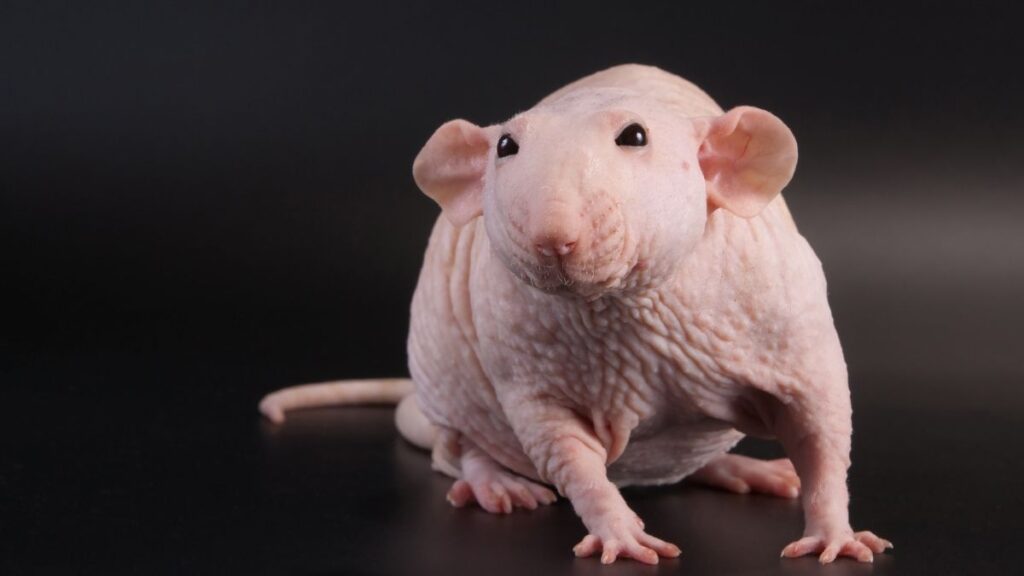
While there are many factors that can impact the lifespan of a hairless rat, including genetics, diet, and overall health, there are some general guidelines that can be helpful to keep in mind.
On average, hairless rats tend to live for around two to three years. This is slightly shorter than the lifespan of their furry counterparts, which can live for up to four years or more.
However, individual rats can vary widely in terms of their lifespan. Some may only live for a year or less, while others may live for four or more years.
As with any pet, it’s essential to provide your hairless rat with a healthy and stimulating environment to help ensure a long and happy life.
This includes providing a balanced diet, plenty of exercise and playtime, and regular veterinary check-ups. With proper care and attention, your hairless rat can thrive and bring joy to your life for years to come.
Lifespan of Hairless Rats
Hairless rats, also known as Sphynx rats, have a lifespan similar to that of their furry counterparts. On average, hairless rats live for about 2-3 years. However, with proper care and attention, some hairless rats have been known to live up to 4 years.
Factors that can affect the lifespan of hairless rats include diet, exercise, genetics, and overall health. Hairless rats need to be provided with a balanced diet that includes a variety of fresh fruits and vegetables, as well as a high-quality rat food. Regular exercise and playtime can also help promote a longer lifespan.
In addition, regular veterinary check-ups can help ensure that hairless rats are healthy and free from any underlying health conditions that could shorten their lifespan. Common health issues that hairless rats may face include respiratory infections, skin irritations, and dental problems.
Hairless rats are more susceptible to temperature changes due to their lack of fur. It is recommended to keep hairless rats in a warm and comfortable environment to help prevent any health issues that may arise from exposure to extreme temperatures.
Factors Affecting Lifespan
Like any other living creature, hairless rats have a lifespan that is influenced by various factors. These factors can be divided into two categories: genetic and environmental.
Genetic Factors
The genetic makeup of a hairless rat plays a significant role in determining its lifespan. Some rats are born with inherent genetic traits that make them more susceptible to certain diseases or health conditions that can shorten their lifespan.
For instance, some hairless rats may have a higher risk of developing tumors or respiratory infections than others. This is why it is essential to choose a rat from a reputable breeder who performs genetic testing on their breeding stock.
Additionally, hairless rats that come from a long line of healthy ancestors tend to live longer than those with a history of health problems.
It is also worth noting that hairless rats tend to have a shorter lifespan than their furry counterparts due to their higher metabolic rate, which can put more stress on their bodies.
Environmental Factors
The environment in which a hairless rat lives can also have a significant impact on its lifespan. Rats that are kept in clean, spacious, and well-ventilated cages tend to live longer than those in cramped, dirty, or poorly ventilated environments.
A healthy diet is also crucial to a rat’s lifespan, so feeding them a balanced diet that meets their nutritional needs is essential.
Another environmental factor that can affect a hairless rat’s lifespan is stress. Rats that are exposed to high levels of stress, such as from loud noises or frequent disturbances, may have a shorter lifespan than those in quieter, more peaceful environments.
Finally, providing your hairless rat with regular veterinary care can help ensure that any health problems are caught early and treated promptly, which can help extend their lifespan.
How to Increase Lifespan
While hairless rats may have a shorter lifespan compared to their furry counterparts, there are still ways to ensure they live a long and healthy life. Here are some tips to help increase your hairless rat’s lifespan:
Provide a Healthy Diet
A well-balanced diet is essential to keep your hairless rat healthy. Feed them a diet that is high in protein, low in fat, and includes fresh fruits and vegetables.
Keep Their Environment Clean
A clean and hygienic living space is important for your hairless rat’s health. Clean their cage regularly and provide fresh bedding and water.
Provide Mental Stimulation
Hairless rats are intelligent creatures and need mental stimulation to stay happy and healthy. Provide toys, tunnels, and other forms of enrichment to keep them entertained.
Regular Vet Check-ups
Regular visits to the vet can help catch any health issues early on and ensure your hairless rat receives the proper care.
Provide Plenty of Exercise
Hairless rats need exercise to stay healthy and prevent obesity. Provide them with plenty of space to run and play, and consider providing a wheel for them to run on.
By following these tips, you can help increase your hairless rat’s lifespan and ensure they live a happy and healthy life.
In summary, hairless rats have a lifespan similar to that of their furry counterparts. While there are many factors that can influence the lifespan of a hairless rat, such as diet, exercise, and genetics, on average, hairless rats can live for 2-3 years.
While hairless rats may have a shorter lifespan than other pet rodents, they can still make wonderful and loving companions. With proper care and attention, hairless rats can live happy and fulfilling lives.
If you are considering getting a hairless rat as a pet, it is crucial to do your research and ensure that you are prepared to provide them with the care and attention they need. This includes providing a balanced diet, a clean living environment, and plenty of socialization and exercise.
In conclusion, hairless rats may not have the longest lifespan, but they can still bring joy and companionship to their owners. With proper care and attention, you can ensure that your hairless rat lives a happy and healthy life.


