Albino rats are a popular choice for research and as pets. These rats have a genetic mutation that causes them to lack melanin, which gives them their white fur, red eyes, and pink noses.
While albino rats are generally healthy, there are some concerns about their health and well-being that are worth exploring.
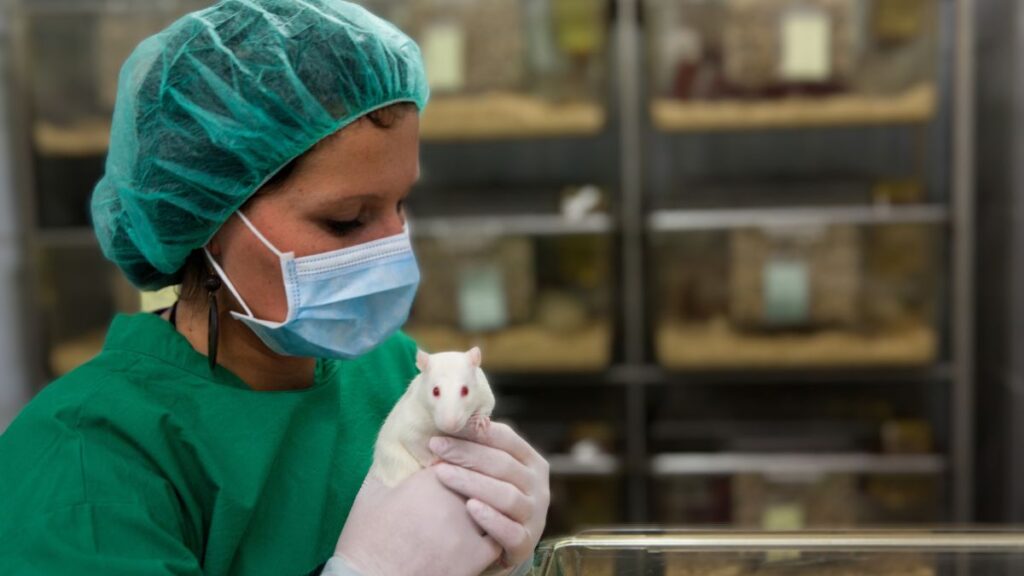
I’ve loved having albino rats over the years. Their adorable nature makes me smile every time. But one of the things myself and many other owners of albino rats have experienced is what health problems they are susceptible to developing.
One of the biggest concerns with albino rats is their sensitivity to light. Because they lack melanin, their eyes are more sensitive to light, which can cause discomfort and even damage to their eyes. This means that albino rats need to be kept in dimly lit environments to protect their eyes from harm.
Another concern with albino rats is their susceptibility to skin cancer. Because they lack melanin, they are more prone to developing skin cancer when exposed to sunlight or other sources of UV radiation. This is why albino rats need to be kept indoors or in shaded areas to reduce their risk of developing skin cancer.
Genetic Issues
Albino rats are a strain of rats that lack melanin pigment in their skin, fur, and eyes. While they are generally healthy and have a normal lifespan, they may be prone to certain genetic issues.
One of the most common genetic issues in albino rats is their susceptibility to skin cancer. This is because they lack the protective melanin pigment that shields the skin from harmful UV rays.
It is, therefore, essential to keep albino rats out of direct sunlight and provide them with adequate shade and shelter to prevent skin cancer.
Another genetic issue that albino rats may experience is vision impairment. Since they lack melanin pigment in their eyes, their eyes are more sensitive to light, and they may suffer from photophobia or sensitivity to bright light. Additionally, they may develop cataracts at a young age, which can lead to blindness if left untreated.
Albino rats may also be prone to hearing loss due to a genetic mutation that affects the development of the inner ear. This can lead to difficulty in hearing and may require special care and attention from their owners.
It is important to note that not all albino rats will experience these genetic issues, and some may be more susceptible than others. Regular check-ups with a veterinarian and proper care and attention can help prevent or manage these issues and ensure the overall health and well-being of albino rats.
Sensory Problems
Albino rats are known to have several sensory problems. These problems are associated with their lack of pigmentation and the absence of melanin in their eyes, skin, and hair.
One of the most common sensory problems experienced by albino rats is their poor vision. They have difficulty seeing in bright light and are more sensitive to light than other rats.
This is because their eyes lack melanin, which is responsible for filtering light and protecting the retina from damage. As a result, albino rats may suffer from retinal damage and blindness if they are exposed to bright light for extended periods.
In addition to poor vision, albino rats may also experience hearing problems. They have a higher threshold for hearing and may not be able to hear high-pitched sounds.
This is because the cochlea, which is responsible for detecting sound, is also affected by the lack of melanin in albino rats.
Furthermore, albino rats may also have a reduced sense of smell. This is because the olfactory bulbs, which are responsible for detecting odors, are also affected by the absence of melanin in their bodies.
As a result, albino rats may have difficulty in detecting certain smells or may not be able to smell at all.
In conclusion, albino rats have several sensory problems associated with their lack of pigmentation and the absence of melanin in their bodies.
These problems include poor vision, hearing problems, and a reduced sense of smell. It is necessary for researchers to consider these factors when conducting experiments or studies involving albino rats.
Behavioral Issues
Albino rats are known to have some behavioral problems due to their genetic condition. These problems can be attributed to their lack of pigmentation, which affects their vision and hearing. Here are some of the behavioral issues that albino rats may experience:
Aggression
Albino rats may exhibit aggressive behavior towards other rats, especially those that are not albinos. This is because they have poor eyesight and may mistake other rats for predators. They may also be more territorial and possessive of their food and resources.
Fearfulness
Albino rats are more fearful than other rats due to their poor vision and hearing. They may startle easily and be more hesitant to explore their environment. This can make them more difficult to handle and socialize.
Anxiety
Albino rats may also experience anxiety due to their poor vision and hearing. They may be more prone to stress and exhibit obsessive-compulsive behaviors such as excessive grooming or self-mutilation.
Keep in mind that not all albino rats will exhibit these behavioral problems. Some may adapt well to their environment and socialize normally with other rats. But, it is important to be aware of these issues when considering an albino rat as a pet.
Health Concerns
Albino rats are prone to some health concerns that are not present in other types of rats. These health concerns may arise due to the genetic mutations that cause albinism in rats. In this section, we will discuss some of the common health issues that albino rats may face.
Sensitivity to Light
One of the most common health concerns for albino rats is their sensitivity to light. Due to the lack of melanin in their eyes, albino rats are more sensitive to bright light, which can cause discomfort and even damage to their eyes. It is important to provide them with low light environments to prevent any issues.
Increased Risk of Skin Cancer
Another health concern for albino rats is their increased risk of skin cancer. Without melanin to protect their skin from UV radiation, albino rats are more susceptible to developing skin cancer. It is important to provide them with shaded areas and limit their exposure to direct sunlight.
Poor Eyesight
Albino rats may also have poor eyesight due to their lack of melanin in their eyes. This can make it difficult for them to navigate their environment and find food and water. It is important to provide them with a safe and familiar environment to prevent any accidents or injuries.
Increased Susceptibility to Infections
Albino rats may have a weaker immune system compared to other rats, which can make them more susceptible to infections and diseases. It is important to keep their living environment clean and provide them with a balanced diet to help maintain their immune system.
In summary, albino rats are often used in scientific research due to their unique characteristics. While they may have some health issues, such as poor vision and sensitivity to light, they are generally healthy and can live long lives if properly cared for.
Studies have shown that albino rats may be more prone to certain conditions, such as skin cancer and seizures, but these issues can be managed with proper care and attention. Bear in mind, that not all albino rats will develop these conditions, and many can live normal, healthy lives.
Overall, albino rats do not necessarily have more problems than other rats. While they may require some extra care and attention, they can make great pets and are valuable subjects for scientific research.


