As with any animal, it is important to provide rats with a balanced diet and proper care to ensure their health and well-being. One question that rat owners may have is whether or not their furry friends need salt licks as part of their diet.
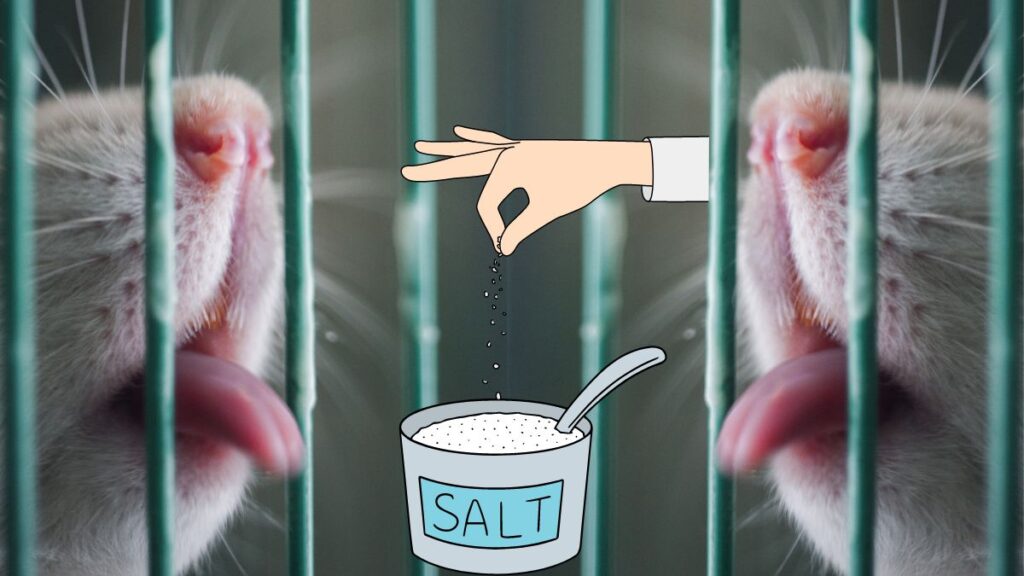
Rats are fascinating creatures that have been domesticated as pets and used in scientific research for many years.
While salt is an essential nutrient for many animals, including humans, rats do not necessarily require salt licks to meet their dietary needs.
In fact, rats are able to obtain the necessary amount of salt from their food and water sources. However, providing a salt lick as an occasional treat or enrichment activity for rats may still be beneficial for their overall health and mental stimulation.
Salt Licks for Rats
As omnivores, rats require a balanced diet that includes a variety of nutrients. One of the essential nutrients for rats is sodium, which is a key component of salt. While rats can get sodium from their regular diet, providing them with salt licks can help ensure that they are getting enough of this essential nutrient.
Salt licks are blocks or stones made of compressed salt that are designed to provide animals with a source of sodium. They are commonly used for livestock, but can also be used for smaller animals like rats.
Salt licks for rats are readily available at pet stores and online retailers, and they come in a variety of sizes and shapes.
It’s important to note that rats should not be given too much salt, as excessive sodium intake can lead to health problems such as dehydration and high blood pressure.
So, be sure to monitor the amount of salt lick that your rat is consuming and to only provide them with a small amount at a time.
In addition to providing rats with sodium, salt licks can also help to keep their teeth healthy. Rats’ teeth grow continuously throughout their lives, and they need to gnaw on hard objects to keep their teeth from becoming overgrown.
Salt licks provide rats with a hard surface to gnaw on, which can help keep their teeth healthy and prevent dental problems.
Overall, while salt licks are not a necessary component of a rat’s diet, they can be a helpful supplement to ensure that rats are getting enough sodium and that their teeth are staying healthy.
The Importance of Salt for Rats
Rats require a certain amount of salt in their diet to maintain good health. Salt, or sodium chloride, is an essential mineral that helps regulate fluid balance in the body and supports nerve and muscle function.
While rats can obtain some salt from their food, they may not get enough to meet their daily requirements. This is where salt licks come in.
Providing a salt lick for your pet rat can help ensure that they are getting enough salt in their diet. Salt licks are small blocks made of compressed salt that rats can lick and nibble on as needed. They are available at most pet stores and come in a variety of sizes and flavors.
When choosing a salt lick for your rat, choose one that is specifically designed for small animals like rats. Avoid using salt licks made for other animals, as they may contain ingredients that are harmful to rats.
It’s also essential not to overdo it with salt licks. While rats need salt, too much can be harmful to their health. Offer a small salt lick and monitor your rat’s usage.
If they are consuming too much, it may be necessary to remove the lick from their cage for a period of time.
In conclusion, providing a salt lick for your pet rat can help ensure that they are getting enough salt in their diet. However, it’s make sure you choose the right type of salt lick and monitor your rat’s usage to avoid overconsumption.
Signs of Salt Deficiency in Rats
Rats require a balanced diet to maintain their health, and salt is an essential part of their nutritional needs. A lack of salt in a rat’s diet can lead to various health problems. Here are some signs of salt deficiency in rats:
Loss of Appetite
Rats may lose interest in their food if they are not getting enough salt in their diet.
Weight Loss
If your rat is not eating enough due to a lack of salt, they’re likely to experience weight loss.
Lethargy
Rats may become less active and show signs of lethargy if they are not getting enough salt in their diet.
Dehydration
Salt plays a crucial role in maintaining the body’s fluid balance. A lack of salt can lead to dehydration in rats.
Rough Fur
Rats may have rough, unkempt fur if they are not getting enough salt in their diet.
Behavioral Changes
A lack of salt can lead to changes in a rat’s behavior, such as increased aggression or a lack of interest in socializing with other rats.
If you notice any of these signs in your pet rat, it’s important to consult with a veterinarian to determine the cause and appropriate treatment.
How to Provide Salt for Rats
While rats do not require salt licks in their diet, they still need a small amount of salt to maintain their overall health. Here are some ways to provide salt for your pet rat:
Commercial Rat Food
Many commercial rat foods contain enough salt to meet the needs of your rat. Be sure to read the label carefully to ensure that the food provides adequate nutrition for your pet.
Table Salt
A small amount of table salt can be added to your rat’s food or water. However, be careful not to overdo it as too much salt can be harmful to your rat’s health.
Mineral Blocks
Mineral blocks are another option for providing salt to your rat. These blocks are designed to be gnawed on and can help keep your rat’s teeth healthy while also providing essential minerals.
While rats do need a small amount of salt in their diet, too much salt can be harmful to their health. Always provide salt in moderation and consult with your veterinarian if you have any concerns about your rat’s diet.
In conclusion, rats do not necessarily need salt licks to survive. While salt is an important nutrient for rats, they can obtain it from their food and water sources.
However, providing a salt lick for pet rats can still be beneficial for their overall health and well-being. It can help prevent deficiencies and promote proper hydration. In addition, it may also provide a form of enrichment and stimulation for the rats.
It is important to note that not all salt licks are created equal. Some may contain harmful additives or excessive amounts of salt, which can be detrimental to a rat’s health. So, always choose a high-quality salt lick that is specifically formulated for rats and to monitor their intake.


