Trimming your rat’s nails for the first time can feel daunting, I know I was pretty scared the first time I cut my rat’s nails, but hopefully this article will give you the know-how to feel confident doing it.
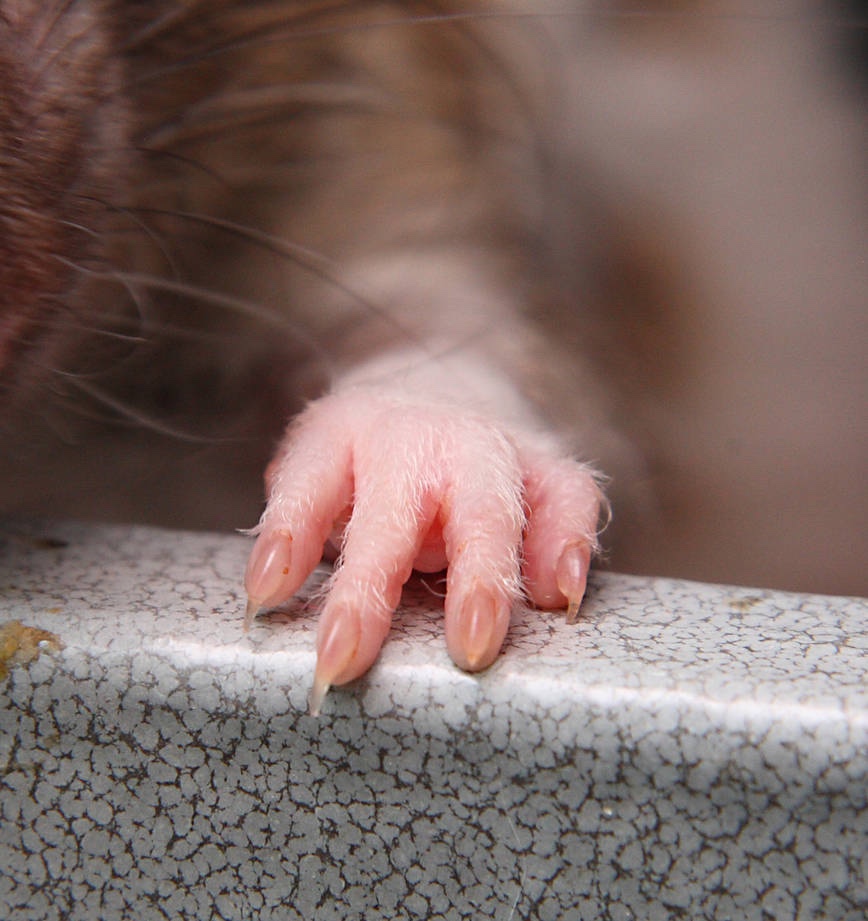
To trim your rat’s nails, you’ll need:
Should You Clip Your Rat’s Nails
If your rat is frequently leaving bad scratch marks on you, you can cut their nails so the scratches aren’t as bad. Another reason for cutting your rat’s nails is if they’ve grown so long that they are hindering your rat’s movements. This usually only happens if you have a disabled and/or elderly rat, but can happen if your rat has a lazy side. Although a lazy rat’s nails rarely need trimming as often as an elderly rat’s nails.
How to Safely Trim Your Rat’s Nails
You want to make sure you’ve given yourself plenty of time so you’re not rushed. Being patient, keeping calm, and taking it slow will minimise stress and the risk of injuries.
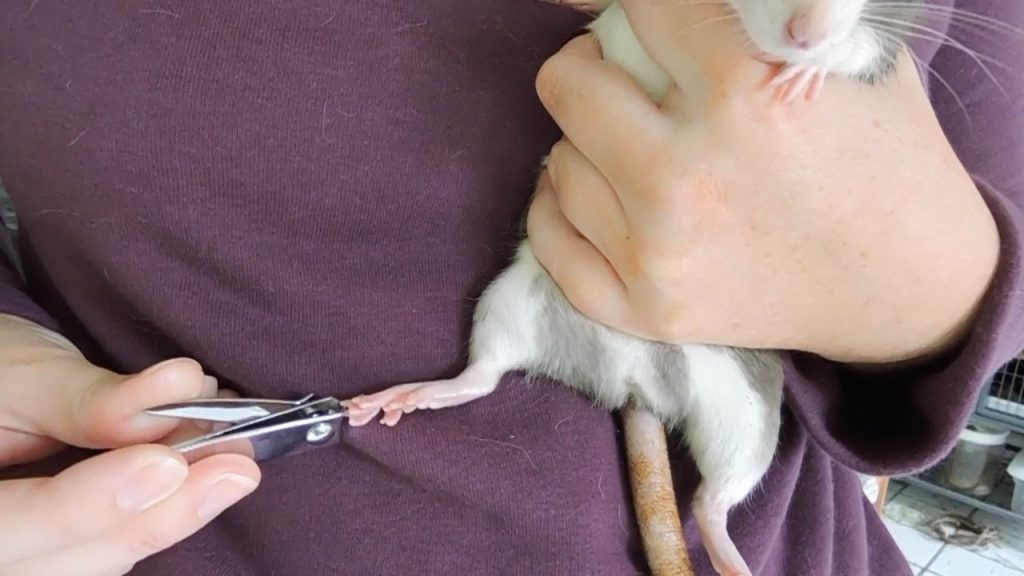
First, make your rat and yourself as comfortable as possible. Next, hold your rat’s foot firmly and start clipping the nails. Don’t clip further than halfway down, this will ensure you avoid damaging the quick. If you’re unsure about how much to trim, cut a little bit off the end of the nail, and then a little more until you’re happy with the length.
Ask Someone To Do it with You
This is a considerably easier task with two people! Especially if your rat moves around a lot when you hold them. My rattie girls are very squirmy when I cut their nails so I often have the hubby help. It makes the whole job safer and so much quicker, which almost every rat is going to appreciate!
Ask your partner-in-rat-nail-clipping to hold your rat gently pressed to their chest with a firm but gentle grip around your rat’s body. Then, take one of your pet rat’s back feet and hold it between your thumb and forefinger. Don’t grip tightly, but hold it with enough pressure that it causes you rat’s toes to splay apart.
Next, drag your finger along until you’re holding a toe, this will stop it moving while you trim. Then you can snip a little off, avoiding the quick, until you’re happy with the length.
It pays to always wait for your rat’s toe to stop moving and to snip once you’ve got a firm hold of their toe.
The Scariest Bit is The Quick
The small size of rat nails make it difficult to spot exactly where the quick ends. A quick is a small red vein that stretches from the base of your rat’s nail to roughly halfway along the nail.
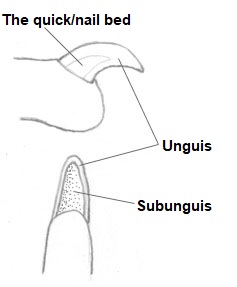
If the quick of their nail is injured, it will bleed profusely. It’s traumatising for both parties, but it’s also very painful for your rat.
If you would rather clip less off so you’re not getting close to the quick, then it’s perfectly fine to trim their nails less and do it 3-4 times a month instead of once a month.
The Supplies You’ll Need
You’ll find the list of links to the products you need at the top of this article.
Nail Clippers or Nail Scissors
A basic pair of nail clippers like the ones in the list at the top of this article will do the job perfectly and are designed to be easy to hold and use.
Styptic Powder
No matter how careful you are when clipping your rat’s nails, accidents happen, so it’s important to have some Styptic Powder to hand in case of injury.
When the quick is injured, there will be an alarming amount of blood because it’s a vein; Styptic Powder is an antiseptic clotting agent that will stop the bleeding quickly.
Alternatively, you can apply flour or corn starch to the wound if you haven’t got styptic powder. They work excellently to stop the bleeding, but they don’t have the antiseptic element, so aren’t as good for your rat.
A Bright Light
A room always appears dimmer when need to see something really small, (there’s a reason people such as horologists work under a lamp!). So you’ll want to make sure you either have a strong source of natural light or a lamp to help you to see well.
The better the visibility, the less likely accidents will occur!
Rat Treats
Your rat has been very brave, and even if they were resistant, when their nails are done, they definitely deserve a treat!
Pay Close Attention to How Your Rat is Feeling
A great time to cut your rat’s nails is soon after they’ve eaten. This is when your rat will likely be happy and relaxed. Some people like to cut their rat’s nails when they’re tired because they’re less energetic, but if your rats are anything like mine, this could well lead to some bites!
As anyone with rats knows, their moods can vary hugely. So, if your rat seems anxious or angsty, it’s best to leave the nail clipping for a later time or date when your rat’s happier and more relaxed.
Other Ways to Keep Their Nails Short
If you worry when cutting their nails but don’t want all the extra Vet bills, there are other ways to keep your rat’s nails short. These alternatives will mean cutting your rat’s nails less, or not at all until they’re older and moving less.
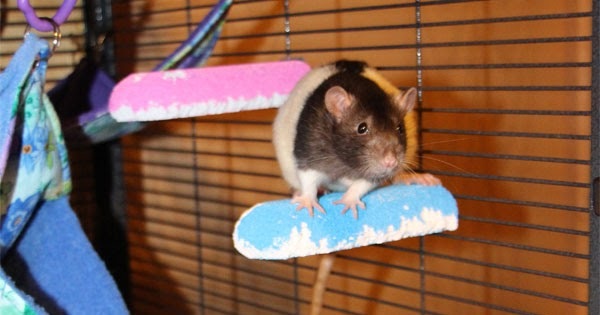
Firstly, you can put pumice stone ledges in their cages. These will entertain them as well as file their nails to keep them short while they climb and play.
If you find that your rats aren’t using the pumice stone enough and you’ve already tried placing it somewhere they stand a lot, such as at the water bottle, then you can file their nails yourself using the same techniques you would if you were to cut them. A nail file or emery board will work perfectly.
Keep it Positive
Taking it slow will help to keep the stress low, but you should also keep the tone of your voice warm and loving, and for extra positively have some treats at hand. Who doesn’t love a little spoiling after a manicure?
Affiliate Disclaimer: This article contains referral links. We earn a small commission when you buy a product using a link in this article. We donate 25% of the net profits of all earnings to Animal Charities around the world.


