Veterinarians have a difficult job, it’s heartbreaking to end a life, even if it’s the kinder thing to do. But, how do Veterinarians put a smaller animal like rats to sleep?
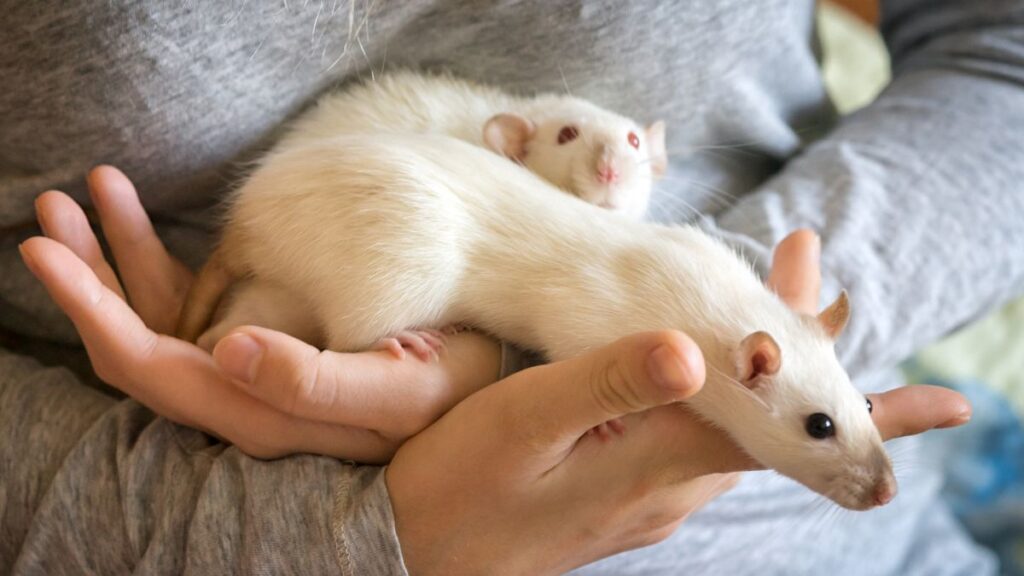
When it comes to euthanizing rats, veterinarians use a process that is similar to the one used for other animals. The process involves administering an injection of a euthanasia solution, which is a combination of chemicals that induce a painless and peaceful death.
The solution is injected into the rat’s body, usually in the abdominal cavity or the heart, and the rat passes away within a matter of seconds.
While the process of euthanizing rats may seem straightforward, it is important to note that it should only be performed by a licensed veterinarian.
Attempting to put a rat to sleep at home using household products or methods can be dangerous and inhumane. If you are a pet rat owner and you are considering euthanasia for your pet, it is important to seek the guidance of a qualified veterinarian.
Methods of Euthanasia for Rats
When it comes to euthanizing rats, there are several methods that veterinarians may use. The most common methods are:
Inhalant Anesthesia
This method involves using an anesthetic gas, such as isoflurane, to put the rat to sleep. The rat is placed in a chamber or mask where it is exposed to the gas until it loses consciousness.
Injection of Euthanasia Solution
Another method is to inject a euthanasia solution, such as sodium pentobarbital, directly into the rat’s heart or abdominal cavity. The solution quickly causes the rat’s heart to stop beating.
Cervical Dislocation
This method involves manually breaking the rat’s neck. It requires skill and experience to perform properly and may not be suitable for all situations.
Each method has its own advantages and disadvantages, and the choice of method may depend on various factors, such as the rat’s health condition, temperament, and the veterinarian’s preference and expertise.
It is important to note that euthanasia should only be performed by a trained and licensed veterinarian or under their direct supervision. Attempting to euthanize a rat at home without proper training and equipment can be dangerous and inhumane.
Procedure for Euthanasia
When it comes to putting rats to sleep, veterinarians use a process known as euthanasia. This is a humane way of ending the life of a rat that is suffering from a terminal illness or injury.
The procedure is quick and painless, and it ensures that the rat does not suffer any more than it already has.
There are two methods of euthanasia that veterinarians use to put rats to sleep. The first method is known as inhalation anesthesia, and it involves the use of carbon dioxide gas.
The second method is known as injection anesthesia, and it involves the use of a barbiturate solution.
During inhalation anesthesia, the rat is placed in a chamber or a bag that is filled with carbon dioxide gas.
The gas quickly and painlessly puts the rat to sleep, and it stops breathing within a matter of seconds. The rat’s heart then stops beating, and it passes away peacefully.
During injection anesthesia, the veterinarian injects a barbiturate solution into the rat’s abdomen or heart.
The solution quickly puts the rat to sleep, and it stops breathing within a matter of seconds. The rat’s heart then stops beating, and it passes away peacefully.
Both methods of euthanasia are effective and humane, and they ensure that the rat does not suffer any more than it already has.
Veterinarians are trained to perform these procedures safely and effectively, and they take every precaution to ensure that the rat is comfortable and pain-free throughout the process.
Aftercare
After the euthanasia procedure, it is important to provide proper aftercare for your pet rat. Here are some things to keep in mind:
- Handle your rat gently and with care, as they may still be unconscious immediately after the procedure.
- It is normal for your rat’s body to feel cool to the touch after they have passed away.
- Consider burying your rat in a safe and appropriate location, or consult with your veterinarian about cremation options.
- Take care of yourself during this difficult time. Grieving the loss of a beloved pet can be a challenging process, but there are resources available to help you cope.
- Consider reaching out to a support group or a mental health professional for assistance.
Remember that every pet and every owner is unique, and there is no one “right” way to handle the loss of a pet. Take the time you need to grieve and honor your pet’s memory in a way that feels meaningful to you.


