Rats are one of the most common pests in the world, and it’s no surprise that they reproduce quickly. If you have a rat problem, it’s essential to know how many rats you’re dealing with and how fast they can multiply. One of the most important factors to consider is how long it takes for a rat to give birth.
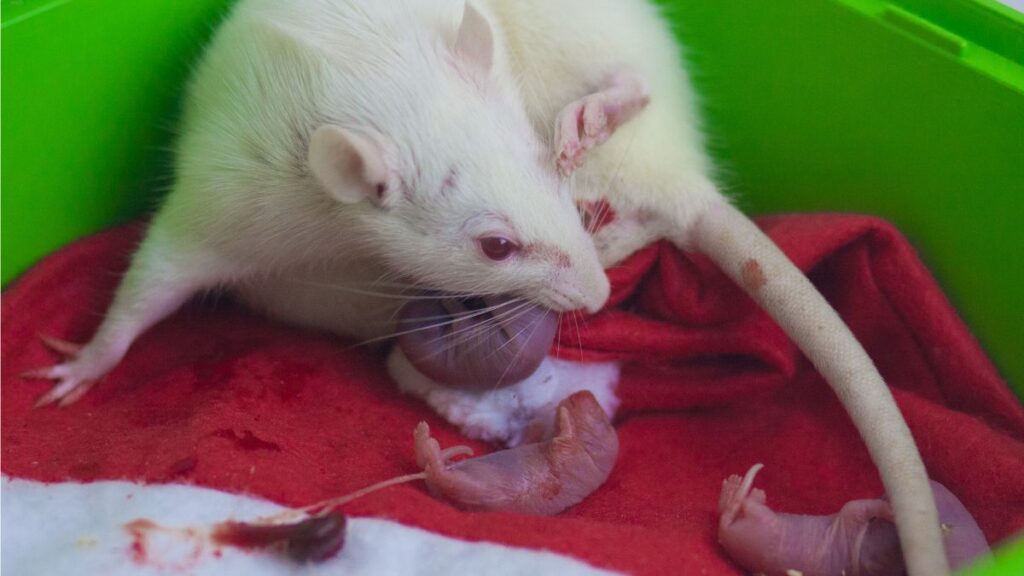
The gestation period for rats is relatively short compared to other animals. On average, it takes about 21 to 23 days for a female rat to give birth after conception. This means that a single female rat can produce several litters in a year, with each litter containing up to 12 baby rats.
Gestation Period
Rats are known for their rapid reproduction, and their gestation period is no exception. The gestation period for rats is typically around 21 to 23 days, with some variation depending on the breed of rat and other factors.
During the gestation period, the female rat will experience a number of physical changes. She may become more lethargic and spend more time in her nesting area, preparing for the arrival of her litter.
Make sure mum rat is given a comfortable and safe environment during this time, with plenty of bedding and nesting materials.
Once the gestation period is complete, the female rat will give birth to a litter of pups. The size of the litter can vary widely, with some rats giving birth to just a few pups and others having litters of up to 20 or more.
It is important to provide proper care and nutrition to both the mother and her pups during this time, to ensure their health and well-being.
Overall, the gestation period for rats is relatively short compared to other animals, allowing them to reproduce quickly and efficiently.
By understanding the gestation period and providing proper care, rat owners can help ensure the health and happiness of their furry friends.
Signs of Pregnancy
It can be difficult to determine if a female rat is pregnant until several days or even a week after conception. However, there are some signs to look out for:
- Weight gain: Pregnant rats will gain weight as the pregnancy progresses. This can be seen by weighing the rat regularly.
- Increased appetite: Pregnant rats will often eat more than usual.
- Behavioral changes: Pregnant rats may become more active or restless, or they may become more lethargic and spend more time sleeping.
- Swollen abdomen: As the pregnancy progresses, the rat’s abdomen will become visibly swollen.
- Nesting behavior: Pregnant rats will often start to build nests or gather bedding materials in preparation for giving birth.
If you suspect that your rat is pregnant, make sure she has plenty of bedding material to build a nest, and provide her with a quiet and secluded area where she can give birth.
Give your pregnant rat a nutritious diet, making sure she has access to plenty of fresh water and a variety of healthy foods, such as fruits, vegetables, and high-quality rat food.
Preparing for Birth
Before the birth of a litter, you need to prepare the mother rat and her cage. Here are some things to keep in mind:
Nesting Material
Provide the mother with soft nesting material such as shredded paper or cloth. This will help her build a comfortable nest for her litter.
Cleanliness
Keep the cage clean and free of any debris or waste. A clean environment will help prevent infection and ensure the health of the mother and her babies.
Diet
Provide the mother with a healthy and balanced diet. This will help ensure that she has the necessary nutrients for a healthy pregnancy and lactation.
Monitor the mother rat closely as she nears the end of her pregnancy. Look out for signs of distress or complications such as difficulty breathing, lethargy, or excessive bleeding.
If you notice any of these symptoms, seek veterinary care immediately. By taking these steps, you can help ensure a safe and comfortable birth for your rat and her litter.
The Birth Process
Once the gestation period is over, the rat will give birth to a litter of babies. The birth process can take anywhere from a few minutes to a few hours, depending on the size of the litter and the individual rat’s health.
During the birth process, the mother rat will usually lie on her side and push the babies out one at a time. The first baby may take longer to be born than the rest of the litter.
It should be noted that if the mother rat is experiencing difficulty giving birth or if she has been in labor for an extended period of time, she should be taken to a veterinarian for assistance.
Once the babies are born, the mother rat will clean them off and begin to nurse them. It is important to ensure that the mother rat has plenty of food and water during this time, as she will need to produce enough milk to feed her litter.
The babies will grow quickly and will be weaned from their mother’s milk at around three weeks of age.
Postpartum Care
After giving birth, female rats require proper postpartum care to ensure their health and the health of their offspring. Here are some important factors to consider:
Nutrition
Nursing mothers require a high-quality diet to produce enough milk for their young. Provide a balanced diet that includes plenty of protein, fresh fruits, and vegetables.
Hydration
Keep a fresh supply of water available at all times. Nursing mothers require more water than usual to produce milk.
Cleanliness
Keep the nesting area clean and dry to prevent infections. Change bedding frequently and remove any soiled bedding immediately.
Monitoring
Observe the mother and her offspring regularly to ensure they are healthy and developing properly. Check for any signs of illness, such as lethargy, loss of appetite, or diarrhea.
If you notice any signs of illness or distress, contact a veterinarian immediately. With proper postpartum care, female rats can recover quickly and continue to care for their young.


