Looking after a post-partum rat can be a rewarding experience, but it can also be challenging. As a pet owner, it is important to understand the needs of your rat during this time to ensure their health and wellbeing.
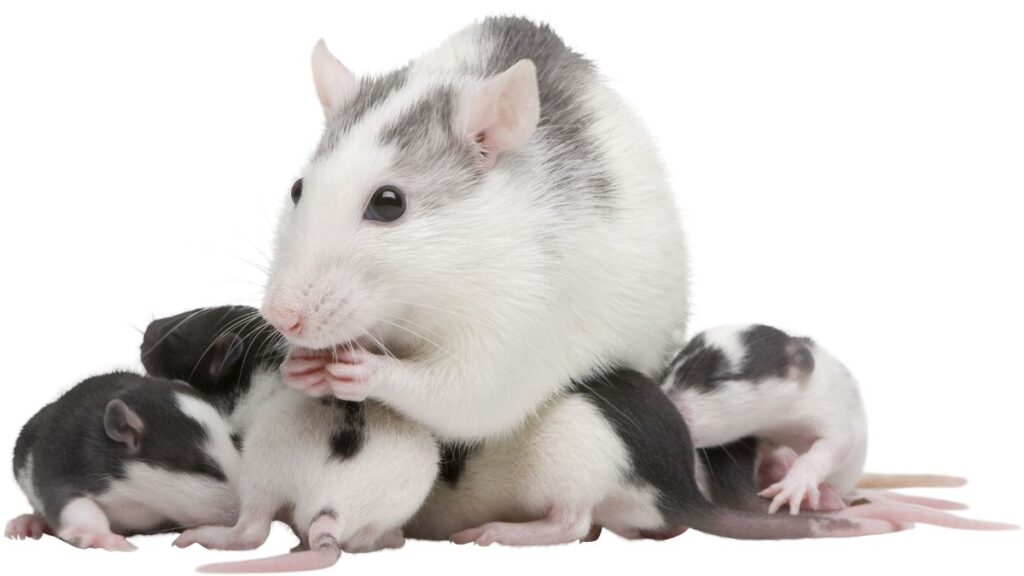
One of the most important aspects of caring for a post-partum rat is providing them with a safe and comfortable environment. This means ensuring that their cage is clean and spacious enough for them and their litter.
The first time I cared for a post-partum rat, I was so nervous about making sure mum rat had everything she needed, and whether I would be able to spot something wrong with mum or babies quickly enough.
As with most things, it definitely gets easier with more practice. My confidence grew with each rat birth. Heartbreakingly, over the years, we’ve lost some babies, and while this knocked my confidence, we’ve also welcomed many babies into this world who’ve gone on to live a lovely life.
I don’t think you can prepare yourself emotionally to losing a baby, or the mother rat, but you need to stay strong for the rats left as they need you! Whether you’re caring for the baby rats or the post-partum mother rat. Let’s cover what you need to know about caring for a post-partum rat!
Pet rats also need to be provided with plenty of bedding material, such as shredded paper or hay, to help keep their nest warm and cozy.
Another key aspect of caring for a post-partum rat is providing them with a healthy diet. Nursing rats require a diet that is high in protein and fat to support the growth and development of their young.
This can be achieved by feeding them a combination of commercial rat food, fresh fruits and vegetables, and protein-rich treats such as boiled eggs or cooked chicken.
Understanding Post-Partum in Rats
Post-partum in rats refers to the period immediately after giving birth. During this time, the mother rat requires special care and attention to ensure she remains healthy and can properly care for her litter. Understanding the changes that occur during this time can help you provide the best possible care for your rat.
One of the most significant changes that occur during post-partum is hormonal. The mother rat’s hormones fluctuate greatly during this time, which can lead to mood swings and changes in behavior. It’s not uncommon for a mother rat to become more aggressive during this time, so it’s important to handle her with care.
The mother rat’s nutritional needs also change during post-partum. She requires a diet that is high in protein, calcium, and other essential nutrients to support her milk production and keep her body healthy. Providing her with a balanced diet and plenty of fresh water is crucial for her overall health.
It’s also important to provide the mother rat with a comfortable and safe environment during post-partum. She requires a quiet and stress-free area where she can care for her litter without disturbance. Providing her with a nesting box filled with soft bedding material can help her feel secure and comfortable.
In summary, post-partum is a crucial time for a mother rat, and understanding the changes that occur during this time can help you provide the best possible care for her and her litter.
Providing her with a balanced diet, a comfortable environment, and handling her with care can help ensure she remains healthy and can properly care for her litter.
Providing a Comfortable Environment
After giving birth, rats need a clean, safe, and comfortable environment to recover and care for their young. Here are some tips on how to provide a suitable environment:
Clean Bedding
Use soft, clean bedding materials such as shredded paper, paper towels, or recycled paper products. Avoid using cedar or pine shavings as they contain harmful oils that can affect the rat’s respiratory system.
Warmth
Keep the temperature in the rat’s environment between 70-80°F to ensure that the mother and her young stay warm. You can use a heating pad or a heat lamp to maintain the temperature.
Privacy
Provide a private area where the mother rat can care for her young without any disturbances. You can use a nesting box or a small hiding spot to give the mother rat a sense of security.
Food and Water
Make sure the mother rat has access to fresh water and a high-quality rat food. You can also provide some fresh fruits and vegetables to supplement her diet.
By following these tips, you can help ensure that your post-partum rat has a comfortable environment to recover and care for her young.
Feeding and Hydration
After giving birth, it’s important to provide your post-partum rat with adequate nutrition and hydration to support her body’s recovery and milk production. Here are some tips:
Offer High-Quality Food
Give your rat with a balanced diet that includes a good mix of protein, carbohydrates, and fats. You can offer commercial rat food or a homemade mix of grains, seeds, and vegetables. Ensure that the food is fresh and not expired. It’s also a good idea to offer occasional treats like fruits or nuts.
Provide Fresh Water
Your rat needs access to clean, fresh water at all times. Use a water bottle or a shallow dish to offer water. Change the water daily and clean the container regularly to prevent bacterial growth.
Increase Protein Intake
Nursing rats require more protein than usual to support milk production. You can offer high-protein foods like cooked eggs, chicken, or tofu. Avoid feeding too much protein, as it can cause kidney problems.
Monitor Food Intake
Keep an eye on how much your rat is eating and adjust the portion size as needed. Overfeeding can lead to obesity, while underfeeding can affect milk production and overall health.
Offer Supplements
If your rat is not getting enough nutrients from her diet, you can offer supplements like vitamin drops or calcium blocks. Consult with your veterinarian before giving any supplements.
Following these tips will ensure that you’re giving your post-partum rat the proper nutrition and hydration she needs to recover and care for her newborns.
Health Monitoring
After giving birth, monitor the health of your post-partum rat. Here are some tips on what to look for:
- Check for any signs of bleeding or discharge from the genital area. This could be a sign of infection or other health issues.
- Monitor your rat’s appetite and water intake. A decrease in either could be a sign of illness.
- Observe your rat’s behavior. If they are lethargic or seem to be in pain, it could be a sign of an underlying health issue.
In addition to observing your rat’s physical health, it is also important to keep their living environment clean and sanitary. This can help prevent the spread of illness and disease.
If you notice any concerning symptoms or changes in your rat’s behavior, consult with a veterinarian who specializes in small animals.
Handling and Interaction
When it comes to handling your post-partum rat, be gentle and cautious. Keep in mind that your rat may still be recovering from the birthing process and may not be comfortable with being handled quite yet. Here are some tips for safe and positive interaction with your rat:
- Approach your rat slowly and calmly, and speak to them in a soft, soothing voice.
- Start by gently stroking their back or head, and gradually work up to picking them up.
- Always support your rat’s entire body when you pick them up, and avoid squeezing or gripping them too tightly.
- If your rat seems uncomfortable or agitated, put them back in their cage and try again later.
Give your rat plenty of opportunities for exercise and playtime outside of their cage. This can help them stay active and healthy, and can also strengthen the bond between you and your pet. Here are some ideas for safe and engaging activities:
- Provide your rat with plenty of toys, such as chew sticks, tunnels, and balls.
- Set up a playpen or enclosed area where your rat can run around and explore.
- Offer your rat treats or small amounts of fresh fruits and vegetables as a reward for good behavior.
- Always supervise your rat during playtime, and make sure they can’t escape or get into any dangerous situations.
By following these tips, you can help ensure that your post-partum rat stays healthy, happy, and well-adjusted. Remember to always be patient and gentle with your pet, and to give them plenty of love and attention.


