Rats are known for their high fertility rates, and it’s not uncommon for pet rats to become pregnant accidentally. In this article, we will discuss how to tell if your rat is pregnant and what to expect during the pregnancy.
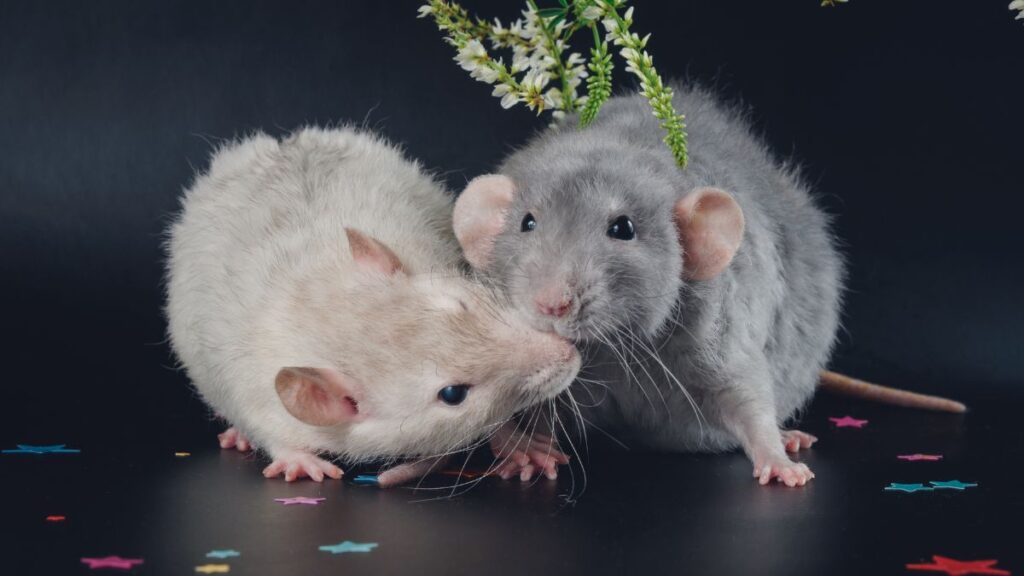
If you own a pet rat, it’s important to know if your rat is pregnant. One of the first signs of pregnancy in rats is weight gain. Pregnant rats will gain weight rapidly, and their bellies will become noticeably larger.
It’s definitely hardest to spot a pregnant rat if it’s your first time, but eventually it does become much more obvious – although, as with humans, rats experience pregnancies differently, so your rat could have a secret pregnancy even if you’re very experienced with rat pregnancies.
You may also notice that your rat’s nipples have become more prominent and enlarged. Another sign of pregnancy in rats is behavioral changes. Pregnant rats may become more lethargic and spend more time sleeping. They may also become more protective of their nesting area and may start hoarding food.
If you suspect that your rat is pregnant, then she needs to be provided with a comfortable and safe nesting area.
Physical Changes to Look For
When trying to determine if your rat is pregnant, it’s important to be aware of the physical changes that occur during gestation. While some of these changes may be subtle, others are more noticeable and can indicate that your rat is pregnant.
One of the first physical changes you may notice is weight gain. Unsurprisingly, as your rat’s pregnancy progresses, she will begin to gain weight due to the developing fetuses. This weight gain may be gradual at first, but will become more noticeable as the pregnancy continues.
Another physical change to look for is an increase in appetite. Pregnant rats require more food to support the developing fetuses, so you may notice that your rat is eating more than usual.
You may also have noticed that your rat is hoarding food or nesting more frequently as she prepares for the arrival of her babies. Although, if your rats love to hoard food and make nests as much as my rats do, this one won’t be an obvious sign!
As the pregnancy progresses, you may also spot your rat’s nipples become more prominent and enlarged. This is due to the increased blood flow to the mammary glands in preparation for nursing her young.
Finally, towards the end of the pregnancy, you may be able to see that your rat’s abdomen becomes noticeably distended. This is due to the growing fetuses and can be a clear sign that your rat is pregnant.
It’s important to note that not all rats will exhibit these physical changes during pregnancy, and some may show only subtle signs.
Additionally, some of these changes may also be indicative of other health issues, so it’s best to consult with your veterinarian if you suspect that your rat may be pregnant.
Behavioral Changes to Look For
If you suspect that your rat may be pregnant, there are several behavioral changes that you can look for. While these changes are not definitive proof of pregnancy, they can be a good indicator that your rat may be expecting.
One of the most common behavioral changes that pregnant rats exhibit is nesting behavior. If your rat startsto nest, you’ll notice that they gather materials to build a nest, such as paper, hay, or other soft materials.
She is very likely to be protective of her nesting area and more territorial than usual. Her protectiveness over her nesting area will most likely increase as the arrival of her babies gets nearer.
Another behavioral change to look for is a decrease in activity. Pregnant rats may become more lethargic and may spend more time sleeping or resting, especially towards the end of pregnancy. They’re also likely to become less interested in playing or interacting with their owners.
Many pregnant rats exhibit changes in appetite. While some rats may eat more than usual, others may eat less or become pickier about their food.
If you notice any changes in your rat’s eating habits, it is important to monitor her closely and make sure that she is still getting the nutrition she needs.
Finally, pregnant rats often become more vocal than usual. They may make soft chirping or cooing noises, especially when they are feeling content or comfortable.
While these behavioral changes can be a good indicator that your rat may be pregnant, remember that they are not definitive proof. Take your rat to a veterinarian if you suspect that your rat may be pregnant. A veterinarian can perform a physical exam to confirm the pregnancy.
Nesting Behaviors
One of the most obvious signs that your rat may be pregnant is nesting behavior. As the pregnancy progresses, your rat will begin to prepare a nest for her babies.
This is a natural instinct that helps ensure the safety and warmth of the newborns. Some common nesting behaviors to look out for include:
- Gathering nesting material such as shredded paper, tissue, or cloth
- Carrying nesting material to a secluded area of the cage
- Building a nest by shredding and arranging the materials
Not all pregnant rats will exhibit nesting behavior. Some rats may not start building a nest until just a few days before giving birth, while others may not build one at all. If you do notice your rat exhibiting nesting behaviors, it’s a good indication that she may be pregnant.
Confirming Pregnancy with a Vet Visit
If you suspect that your rat may be pregnant, it is important to confirm the pregnancy with a veterinarian. A vet can perform a physical examination and other diagnostic tests to determine if your rat is indeed pregnant.
During the physical examination, the vet will palpate your rat’s abdomen to feel for the presence of developing fetuses. This can be done as early as 10-14 days after breeding.
If the vet is unable to feel any fetuses, they may recommend an ultrasound to confirm or rule out pregnancy. Additionally, a vet may perform blood tests to check for the presence of pregnancy hormones.
These tests can detect pregnancy as early as 7-10 days after breeding. However, they are not always accurate and may produce false negatives.
Unfortunately, not all veterinarians are experienced in treating rats, so it is recommended to find a vet who specializes in small animals or exotics. They will have the necessary equipment and expertise to accurately diagnose pregnancy in rats.
Overall, confirming pregnancy with a vet visit is the most reliable way to determine if your rat is pregnant. Be sure to seek veterinary care as soon as possible to ensure the health of both the mother and her developing fetuses.
Preparing for a Litter
Now that you know your rat is pregnant, it’s time to start preparing for the arrival of the litter. Here are some things you can do:
Prepare a Nesting Box
Your rat will need a safe and comfortable place to give birth and care for her babies. A nesting box should be large enough for your rat to move around in and have a separate area for the babies. A cardboard box or plastic container work great too, but make sure it’s secure and won’t collapse.
Provide Extra Food and Water
Your pregnant rat will need extra nutrition to support her growing babies. Make sure she has access to fresh water and a high-quality rat food. You can also offer some fresh fruits and vegetables for added nutrition.
Prepare for Potential Complications
While most rat pregnancies go smoothly, there is always a risk of complications. Have a plan in place in case your rat needs veterinary care during or after the birth.
By taking these steps, you can help ensure a safe and comfortable birth for your rat and her babies. Remember to monitor your rat closely and seek veterinary care if you notice any concerning symptoms or behaviors.


