Picking up a rat by its tail is a common practice among many pet owners, but is it okay to do so? This question has been a topic of debate for several years, with some people arguing that it is perfectly fine while others believe it is harmful to the animal.
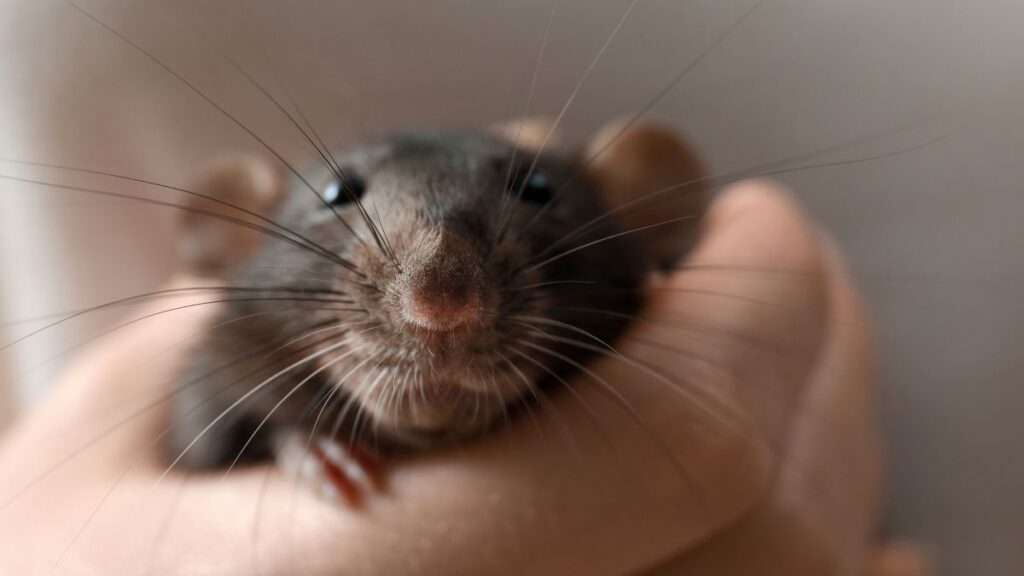
Rats are intelligent and social animals that can make great pets. However, they are also delicate creatures that require proper handling to ensure their safety and well-being. Picking up a rat by its tail is not recommended by most experts, as it can cause serious harm to the animal.
So, is it okay to pick up a rat by its tail? The answer is no. While it may seem like a convenient way to handle your pet, it can cause serious injury to the rat’s spine and tail. It is important to handle rats gently and properly to ensure their health and happiness.
Anatomy of a Rat’s Tail
A rat’s tail is a unique and vital part of their anatomy. It serves several purposes, including balance, communication, and temperature regulation. Understanding the structure and function of a rat’s tail can help us better understand why it is not okay to pick them up by their tails.
The tail of a rat is a long, slender appendage that extends from the base of its spine. It is covered in scales and lacks fur, which helps the rat to regulate its body temperature. The tail is also highly flexible and can be moved in a variety of directions, allowing the rat to maintain balance and navigate its environment.
One of the important functions of a rat’s tail is communication. Rats use their tails to signal to each other, often by twitching or vibrating them. This can indicate danger, excitement, or other emotions. The tail can also be used as a tool for grooming, as rats will often use it to clean their fur or remove debris from their eyes.
While the tail of a rat may seem like a convenient handle for picking them up, remember that this can be harmful to the rat. The tail is not designed to support the weight of the rat, and lifting them by their tail can cause serious injury or even breakage.
Additionally, handling rats in this way can be stressful and frightening for them, which can lead to behavioral issues or health problems.
In summary, the tail of a rat is a complex and important part of its anatomy. While it may seem tempting to pick them up by their tails, it is important to remember that this can cause harm and should be avoided.
By understanding the unique functions of a rat’s tail, we can better appreciate these fascinating and intelligent creatures.
Why You Shouldn’t Pick Up a Rat by Its Tail
While it may seem like a convenient way to handle a rat, picking it up by its tail can cause significant harm to the animal. Here are a few reasons why you should avoid this method of handling:
Pain and Discomfort
The tail is a sensitive part of a rat’s body, and picking it up by the tail can cause pain and discomfort. This can lead to stress and anxiety in the rat, which can have negative health effects.
Injury
Rats have delicate tails that can easily be injured or even broken if handled improperly. This can cause long-term pain and mobility issues for the rat.
Aggression
Picking up a rat by its tail can cause the animal to become defensive and aggressive. This can result in bites or scratches, which can be painful and potentially dangerous.
Instead of picking up a rat by its tail, it’s best to use other methods of handling that are safer and less stressful for the animal. For example, you can use a scoop or a cup to gently lift the rat and move it to a new location.
You can also use a towel or a glove to pick up the rat, being careful to support its body and avoid any sensitive areas. By avoiding the temptation to pick up a rat by its tail, you can help ensure the health and well-being of these fascinating and intelligent animals.
Alternative Ways to Handle Rats
While picking up a rat by its tail may seem like a quick and easy solution, it is important to remember that it can be harmful to the rat and is not recommended. Here are some alternative ways to handle rats:
Using a Scoop
A scoop can be used to gently pick up a rat without causing harm. This is a good option if you need to move a rat from one place to another.
Using a Towel
Wrapping a towel around a rat can help you to pick it up without causing any harm. This is a good option if you need to handle a rat for an extended period of time.
Using a Glove
Wearing a glove can help you to handle a rat without causing any harm. This is a good option if you need to handle a rat that is particularly skittish or aggressive.
Rats are living creatures and should be treated with care and respect. By using one of these alternative methods, you can handle a rat safely and without causing any harm.
After looking at and analyzing the various opinions and facts surrounding the topic of picking up rats by their tails, it is clear that this is not a recommended practice.
While it is possible to do so without causing immediate harm to the rat, it can still be incredibly stressful and uncomfortable for the animal.
Rats rely on their tails for balance and communication, and grabbing them in this way can cause injury or even dislocation. Additionally, rats have sensitive spines that can be easily damaged if they are not properly supported when being lifted.
While there may be some situations where picking up a rat by its tail is necessary, such as in an emergency where the rat is in danger, it should generally be avoided.
Instead, rat owners and handlers should learn proper handling techniques and work to build trust with their animals through positive reinforcement and gentle interactions.
Overall, it is important to prioritize the well-being and comfort of our animal companions, and picking up a rat by its tail is not a practice that aligns with this goal. By treating rats with respect and care, we can build strong bonds and provide them with happy and healthy lives.


