If you’re a rat owner, you may have heard of gastrointestinal stasis. This condition is also known as ileus and is a common problem among rats. Gastrointestinal stasis is a condition that affects the digestive system of rats, causing their gut to slow down or stop moving altogether.
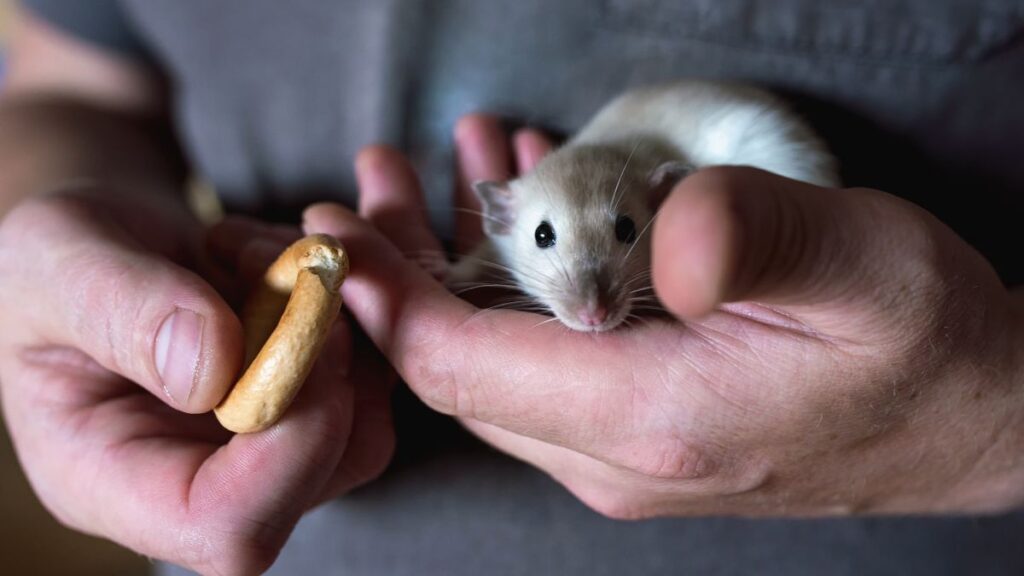
The digestive system of rats is complex and sensitive, and any disruption can lead to serious health issues. Gastrointestinal stasis is one such issue that can cause a wide range of symptoms, including lethargy, loss of appetite, and bloating.
If left untreated, this condition can lead to severe dehydration, malnutrition, and even death.
Understanding the causes and symptoms of gastrointestinal stasis is crucial for rat owners. This article will delve into the details of this condition, including its causes, symptoms, and treatment options.
By the end of this article, you’ll have a clear understanding of what gastrointestinal stasis is and how to prevent and treat it in your pet rats.
Definition of Gastrointestinal Stasis
Gastrointestinal stasis is a condition that affects the digestive system of rats. It occurs when the normal movement of food through the digestive tract slows down or stops completely.
This can lead to a build-up of gas and harmful bacteria in the gut, which can cause serious health problems for your rat if left untreated.
The digestive system of rats is designed to process food quickly and efficiently, but a number of factors can disrupt this process and lead to gastrointestinal stasis. These factors include a poor diet, lack of exercise, stress, and certain medical conditions.
Symptoms of gastrointestinal stasis in rats include loss of appetite, decreased activity levels, bloating, and diarrhea. If you notice any of these symptoms in your rat, it is important to seek veterinary care as soon as possible.
Treatment for gastrointestinal stasis typically involves a combination of medication, dietary changes, and supportive care. Your veterinarian may prescribe medications to help stimulate the digestive system and reduce inflammation in the gut.
They may also recommend a special diet that is high in fiber and low in fat to help promote healthy digestion.
In severe cases, your rat may need to be hospitalized for supportive care, such as fluid therapy and pain management. With prompt and appropriate treatment, most rats with gastrointestinal stasis can make a full recovery and go on to live happy, healthy lives.
Causes of Gastrointestinal Stasis in Rats
Gastrointestinal stasis in rats is a serious condition that can lead to severe health complications if left untreated. The condition is often caused by a combination of dietary, environmental, and health factors. In this section, we will explore the different factors that can contribute to gastrointestinal stasis in rats.
Dietary Factors
Dietary factors are one of the most common causes of gastrointestinal stasis in rats. Rats that have a diet that is high in fat, low in fiber, or lacks essential nutrients are at a higher risk of developing gastrointestinal stasis. Additionally, rats that consume a diet that is too high in carbohydrates or too low in protein may also be at risk.
Environmental Factors
Environmental factors can also contribute to gastrointestinal stasis in rats. Rats that are kept in dirty or overcrowded living conditions may be more likely to develop the condition. Additionally, rats that are exposed to excessive noise or stress may also be at risk.
Health Factors
Health factors can also play a role in the development of gastrointestinal stasis in rats. Rats that have an underlying health condition, such as dental disease or kidney disease, may be more likely to develop the condition.
Additionally, rats that have been treated with certain medications, such as antibiotics or chemotherapy drugs, may also be at risk.
In conclusion, gastrointestinal stasis in rats can be caused by a variety of factors, including dietary, environmental, and health factors. It’s essential for rat owners to be aware of these factors and take steps to prevent the condition from developing in their pets.
Symptoms of Gastrointestinal Stasis in Rats
If your rat is experiencing gastrointestinal stasis, you may notice a variety of symptoms. These symptoms can range from mild to severe and may vary depending on the severity of the condition. Here are some common symptoms of gastrointestinal stasis in rats:
- Loss of Appetite: Your rat may become less interested in food or stop eating altogether. This is a common symptom of gastrointestinal stasis and can lead to weight loss.
- Decreased Fecal Output: Your rat may produce fewer or smaller fecal pellets than usual. This can be a sign that the digestive system is not functioning properly.
- Lethargy: Your rat may become less active or seem weaker than usual. This can be a sign that your rat is not feeling well.
- Abdominal Pain: Your rat may show signs of discomfort or pain in the abdominal area. This can be indicated by hunching or stretching out in an attempt to relieve the discomfort.
- Bloating: Your rat’s abdomen may appear swollen or distended. This can be a sign that gas is building up in the digestive system.
If you notice any of these symptoms in your rat, then seek veterinary care as soon as possible. Gastrointestinal stasis can be a serious condition that requires prompt treatment to prevent further complications.
Diagnosis of Gastrointestinal Stasis
To test for gastrointestinal stasis, your veterinarian will perform a physical exam and will recommend diagnostic tests to confirm the diagnosis.
During the physical exam, your veterinarian will listen to your rat’s abdomen with a stethoscope to check for abnormal sounds. They may also palpate your rat’s abdomen to feel for any blockages or abnormalities.
To confirm the diagnosis of gastrointestinal stasis, your veterinarian may recommend one or more of the following diagnostic tests:
- Radiographs (X-rays): Radiographs can help your veterinarian visualize any blockages or abnormalities in your rat’s digestive system.
- Ultrasound: An ultrasound can help your veterinarian visualize your rat’s digestive system in real-time and can provide more detailed information than radiographs.
- Blood Tests: Blood tests can help your veterinarian evaluate your rat’s overall health and detect any underlying conditions that may be contributing to gastrointestinal stasis.
Once your rat has been diagnosed with gastrointestinal stasis, your veterinarian will work with you to develop a treatment plan. Treatment may include medications to stimulate your rat’s digestive system, changes to your rat’s diet, and supportive care such as fluids and pain management.
Treatment and Management
Medical Treatment
If your rat has been diagnosed and is experiencing active gastrointestinal stasis, your veterinarian may prescribe medications such as metoclopramide or cisapride to help stimulate gut motility and relieve discomfort. In severe cases, hospitalization may be necessary for supportive care and monitoring.
Dietary Changes
Dietary changes can also be an important part of managing gastrointestinal stasis in rats. Your veterinarian may recommend feeding your rat a high-fiber diet consisting of hay, fresh vegetables, and limited amounts of pellets.
It is important to avoid feeding your rat high-fat or high-sugar foods, as these can exacerbate gastrointestinal issues.
Environmental Adjustments
Environmental factors can also play a role in gastrointestinal stasis in rats. Ensuring that your rat has access to clean water and a comfortable living space can help reduce stress and promote overall health.
Additionally, providing opportunities for exercise and mental stimulation can help keep your rat active and engaged.
In summary, seeking prompt veterinary care and making appropriate dietary and environmental adjustments can help manage gastrointestinal stasis in rats. Work closely with your veterinarian to develop a comprehensive treatment plan that meets your rat’s individual needs.
Prevention of Gastrointestinal Stasis
Preventing gastrointestinal stasis in rats is crucial to maintaining their overall health and wellbeing. Here are some steps you can take to prevent this condition from occurring:
Diet
Ensure that your rat’s diet is high in fiber and low in fat. Offer a variety of fresh vegetables and fruits, as well as hay and pellets. Avoid feeding your rat sugary or fatty treats, as these can lead to obesity and digestive problems.
Hydration
Make sure your rat has access to clean, fresh water at all times. Dehydration can lead to constipation and other digestive issues.
Exercise
Provide your rat with plenty of opportunities for exercise and play. Encourage them to climb, run, and explore their environment. Lack of exercise can lead to a sedentary lifestyle, which can contribute to gastrointestinal stasis.
Regular Check-ups
Schedule regular check-ups with your veterinarian to ensure that your rat is healthy and free from any underlying medical conditions that could contribute to gastrointestinal stasis.
Stress Reduction
Rats are sensitive animals and can easily become stressed. Stress can lead to a decrease in appetite and digestive problems. Provide your rat with a calm and comfortable environment, and avoid sudden changes or disruptions to their routine.
By following these simple steps, you can help prevent gastrointestinal stasis in your rat and ensure that they stay healthy and happy.
In conclusion, gastrointestinal stasis is a serious condition that can affect rats of all ages. It is important to recognize the symptoms of this condition, such as lethargy, loss of appetite, and decreased fecal output.
If you suspect that your rat is suffering from gastrointestinal stasis, it is essential to seek veterinary care immediately.
There are several factors that can contribute to the development of gastrointestinal stasis, including a poor diet, lack of exercise, and stress. To prevent this condition, it is important to provide your rat with a well-balanced diet that is high in fiber, as well as plenty of opportunities for exercise and play.
If your rat does develop gastrointestinal stasis, there are several treatment options available, including medication, surgery, and supportive care. Your veterinarian will be able to recommend the best course of treatment based on the severity of your rat’s condition.
Overall, pet rat owners need to be proactive in the care of your rat to prevent the development of gastrointestinal stasis. By providing a healthy diet, plenty of exercise, and regular veterinary care, you can help ensure that your rat stays healthy and happy for years to come.


